The truth about your first vibrator
Let's be real. Most people don't know what they actually want in a clitoral vibrator until they've used one. That's not a problem. It's actually the whole point of starting somewhere thoughtful.
Your first vibrator is not a commitment. It's an experiment. The goal isn't to find "the perfect toy" (that rarely exists). The goal is to find something that teaches you what your body responds to, so the next choice is easier and more intentional.
Start with intensity, not gimmicks
Here's what I see happen with new vibrator buyers: they pick something based on looks or novelty features, then feel disappointed because it's either too overwhelming or too subtle for their actual sensation preferences.
Skip the bells and whistles for now. Focus on this single question: do you tend to prefer direct, powerful stimulation, or something gentler and more nuanced?
If you're not sure, that's fine. Most people aren't sure until they've tried both. But here's a shortcut. Think about how you touch yourself manually. Do you press firmly and move quickly, or do you use a lighter touch with more deliberate rhythm? Your vibrator preference usually follows that same pattern.
Powerful isn't always better. Gentle isn't always better. What matters is matching the intensity to your nervous system. A clitoral vibrator that's too intense can feel numbing or overwhelming. One that's too subtle won't register as stimulation at all. You're looking for the Goldilocks zone where sensation feels interesting without feeling defensive.
Why suction and air-pulse vibrators actually work differently
Most vibrators fall into two camps: traditional vibration and suction or air-pulse technology. These are legitimately different experiences, and knowing the difference upfront saves a lot of disappointment.
Traditional vibrators buzz directly against your clitoris. They're consistent, reliable, and what most people mean when they say "vibrator." The downside: they can numb out sensitive tissue if the intensity is too high, and they work best for people who like rhythmic, sustained stimulation.
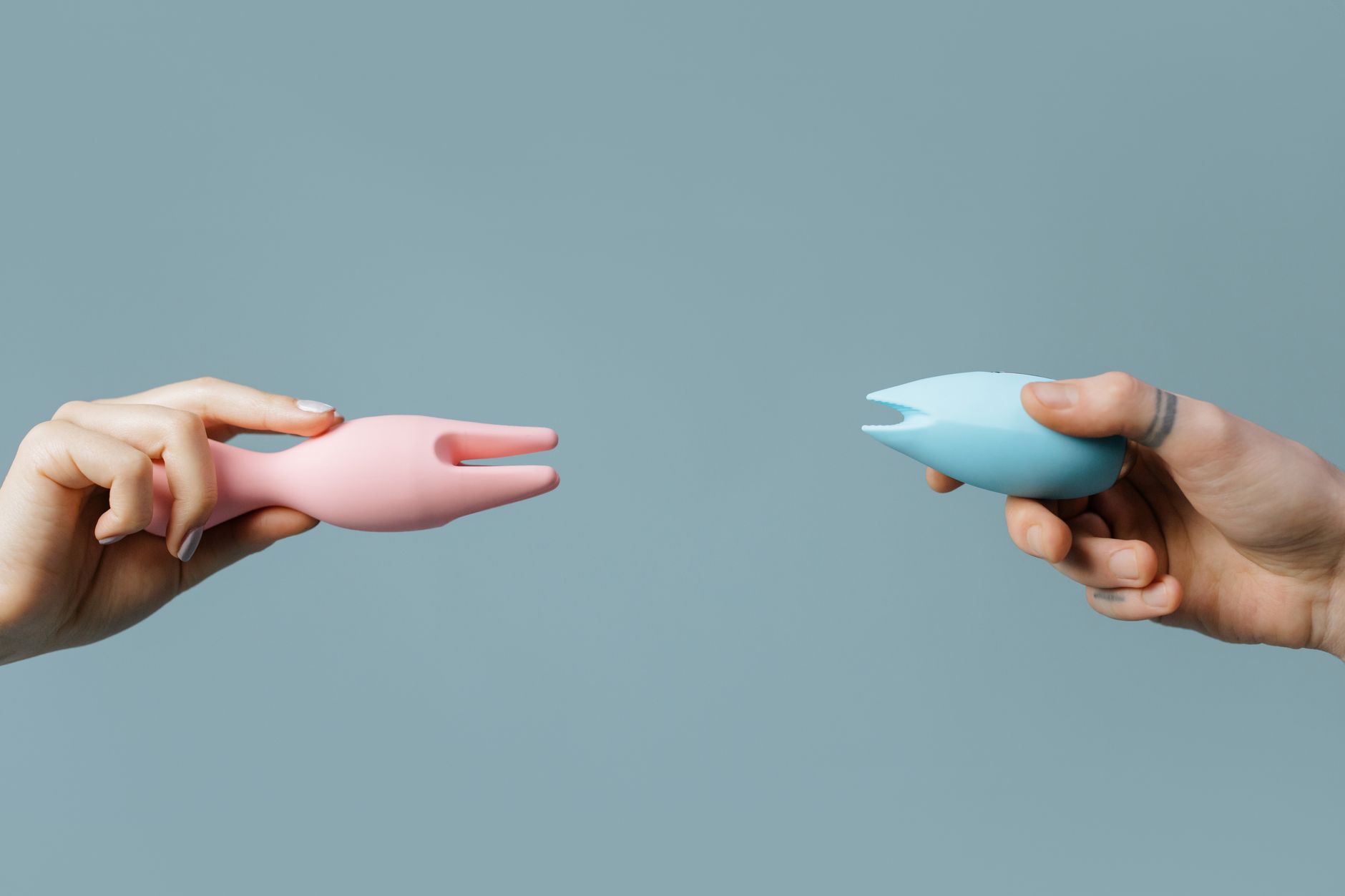
Suction and air-pulse devices like the Lem work by creating a gentle seal over the clitoris and stimulating the surrounding nerve tissue without direct friction. No buzzing. No numbing. Different sensation entirely. Many people describe them as more "alive" and responsive, especially if their clitoris is hypersensitive or if they've found traditional vibrators disappointing.
The practical difference: if you've tried a buzzing vibrator and found it either too intense or somehow unsatisfying, an air-pulse device might unlock something new. If you've never tried anything, a traditional lemon clitoral vibrator is usually the clearer starting point because the experience is more straightforward to understand.
Material matters for comfort and longevity
Your vibrator sits against sensitive skin. Material choices aren't superficial.
Silicone is the standard for good reason. It's smooth, non-porous, easy to clean, and doesn't degrade quickly. It's also body-safe and won't irritate sensitive skin the way some plastics will. Avoid anything advertised as "jelly" or that smells strongly of chemicals. That's usually low-grade PVC, which can leach plasticizers over time.
Absolute rule: if you're using a silicone toy, use water-based lubricant only. Silicone lube breaks down silicone toys. Same goes for oil-based lubes. Water-based is the safe bet for almost everything.
ABS plastic (the harder plastic used in phone cases) is also body-safe, typically used for handles or rigid sections. It's fine. Just less forgiving on sensitive tissue than silicone.
The pattern trap
Almost every vibrator comes with multiple patterns. Most people think they want variety. Then they use it and discover they have a favorite pattern they return to every single time.
For your first vibrator, don't prioritize pattern count. Prioritize a clean, simple rhythm you can adjust the intensity of. You can always experiment later. Right now, you're learning about pressure and sensation, not choreography.
Size and shape expectations
Vibrators come in wildly different shapes. Wand vibrators are large and broad, designed to cover a wide area. Bullet vibrators are small and precise. Curved designs are meant to nestle against the body. None of these are wrong. They're just different.
For a first purchase, something compact and straightforward usually works best. You'll know faster what you're responding to without a lot of extra shape getting in the way. A simple lemon vibrator or similar focused design is often the clearest entry point because it doesn't require figuring out positioning.
One note: bigger doesn't mean better. A small, well-designed vibrator will outperform a large one that's poorly engineered. Don't feel pressured to buy something bulky just because it exists.
Battery life and noise matter more than you think
Internal rechargeable batteries are standard now and worth the small upfront investment. They last longer, charge faster, and you don't have to keep buying replacements. Just make sure you understand the charging method. USB-rechargeable is most convenient.
Noise is genuinely important if you're not living alone. A vibrator that sounds like a dentist's drill kills the mood and adds unnecessary anxiety. Quieter devices exist. It's worth the search if discretion matters to you. Most Hello Nancy Lemon products are designed with quiet operation in mind.
Price is not a proxy for quality
You do not need to spend $200 on your first vibrator. You also don't need to spend $20. The middle ground, somewhere between $60 and $100, usually hits the sweet spot where you get decent engineering, body-safe materials, and a design philosophy that considers actual human bodies.
Cheap vibrators often break quickly, feel flimsy, and disappoint. Expensive vibrators sometimes just have prettier branding. A clitoral vibrator priced around $89 is usually designed by people who actually care about the experience.
Budget accordingly, but don't assume you're buying forever. You're buying information. Once you know what you like, you can upgrade if you want to.
The solo-play starting point
Here's what I recommend to clients buying their first clitoral vibrator for solo pleasure: start with something focused and straightforward. No app control, no remote, no gimmicks. Just you, your body, and a well-designed tool that responds to what you're doing.
Take your time with it. The first session is about curiosity, not reaching a goal. Notice what intensity feels good. Notice whether you prefer rhythm or sustained stimulation. Notice what position your body naturally wants to be in. This information is gold for every future decision.
If you're exploring with a partner, that's a different conversation entirely. A partner's presence changes the dynamic. For now, solo play is the clearest experiment.
What to avoid as a beginner
Don't start with something marketed as "advanced." Don't buy multiple vibrators at once hoping one sticks. Don't assume your body will respond the way someone else's did. Don't force yourself to use something uncomfortable because you paid for it.
Don't assume you need penetrative stimulation mixed in. The clitoris is its own complete experience. Penetration can be added later if it actually appeals to you. Most people overestimate how much they want it until they've actually tried a dedicated clitoral device.
Don't be embarrassed about returning something if it's truly not working. A good retailer understands that bodies are different.
Making the call
When you're deciding between options, come back to this: does this vibrator seem designed by someone who respects how my body actually works? Or does it seem designed by someone trying to sell me a fantasy?
The honest answer to that question will usually guide you right. Your first clitoral vibrator doesn't have to be perfect. It just has to be thoughtful enough that you learn something useful about yourself.
People also ask
Is it normal to feel nervous about buying your first vibrator?
Completely. Most people do. That nervousness usually dissolves about 30 seconds into using it, when you realize it's just a tool that happens to feel good. If you can order it privately and open it privately, the anxiety gap closes fast. The anticipation is often bigger than the actual experience.
Can you use a regular vibrator if you have a sensitive clitoris?
Yes, but intensity control is crucial. Start at the lowest setting and work up. If you find traditional vibration numbing, an air-pulse or suction-based clitoral vibrator might work better for sensitive tissue because it stimulates surrounding nerves without direct friction. Sensitivity often improves with regular, gentle use over time.
How do I know if a vibrator is actually body-safe?
Look for silicone, ABS plastic, or glass. Avoid anything that smells strongly of chemicals or is advertised as "jelly" material. Reputable brands will explicitly state what their products are made of. If the material isn't clearly labeled, that's a red flag. Body-safe also means being cleaned properly between uses, so easy-to-clean materials matter.
Should your first vibrator be a lemon clitoral vibrator or something else?
If you're drawn to the idea of a suction or air-pulse device, absolutely. If you're not sure what you want, a straightforward clitoral vibrator is often the clearest entry point because the sensation is direct and easy to understand. The Lem, for example, works via air-pulse technology and has simple intensity controls, making it a solid beginner choice if that appeals to you. But there's no single "right" choice. Your body will tell you what works.
How long does it take to know if a vibrator is right for you?
Usually three or four sessions. Your first session is about curiosity and exploration. By session three, you'll know whether this particular vibrator is clicking with your body or not. If it's working, great. If not, you've gathered useful information about what you actually prefer, which makes your next choice easier.
Can you use a vibrator if you're on medication that affects sensation?
Usually yes, but it might take some adjustment. Some medications can dull sensation or slow arousal. If that's happening, you might need a more intense vibrator or a longer warm-up time. This is actually a conversation worth having with your doctor if sensation changes feel significant. Sometimes a medication adjustment helps. Sometimes a tool like a lemon sucker or air-pulse vibrator helps. Often it's both.
Ready to explore
Choosing your first clitoral vibrator is genuinely just about matching a tool to what your body seems to want right now. You're not committing to anything. You're experimenting.
Pick something thoughtfully designed, made from materials that won't irritate your skin, and priced in the range where engineering quality usually shows up. Use it solo first. Learn what your body responds to. Then everything else becomes easier.
If you have questions specific to your body or situation, reach out. That's what I'm here for.