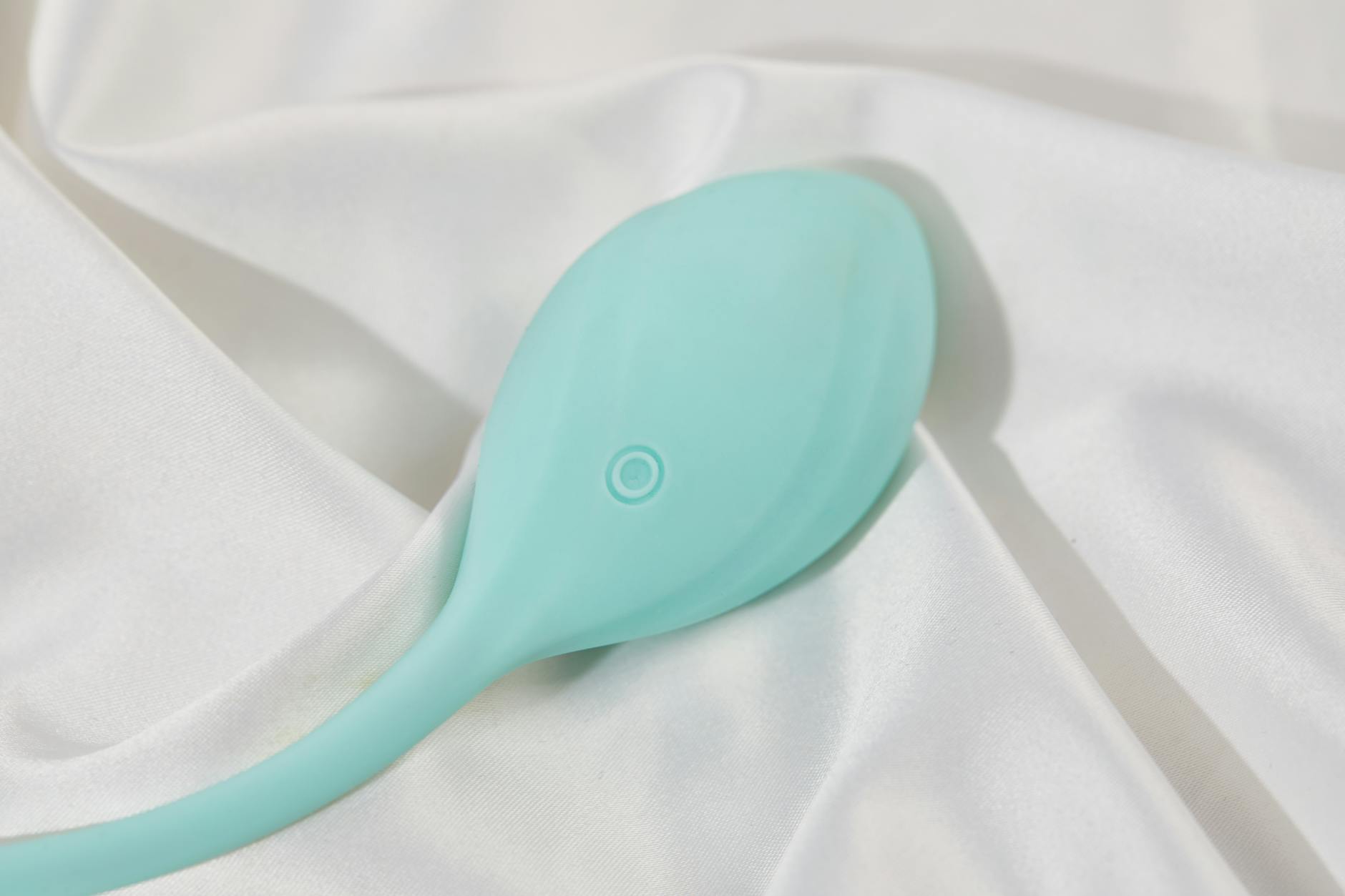
Let's talk about what nobody mentions
Long-term numbness feels permanent because it's been so long. But here's the thing: your clitoris hasn't forgotten how to feel. Your nervous system just went quiet. And quiet is actually easier to reverse than you think.
I've worked with hundreds of people who spent years numb. Some because of antidepressants. Some because of chronic stress that literally rewired their arousal response. Some because they spent so long performing that they lost track of what their own body actually wanted. What I've learned is that numbness isn't damage. It's a pattern. And patterns can shift.
Why sensation fades (and stays faded)
There are three main culprits, and they often work together.
First: neurological habituation. When you use the same stimulus on the same tissue for years, your nervous system literally stops registering it as novel. This isn't weakness. It's your brain doing its job too well. It tunes out constant input. That's why the vibrator that worked five years ago doesn't work now. Your nerves adapted.
Second: reduced blood flow to the area. Chronic stress, hormonal shifts, years of holding tension in the pelvic floor. All of these restrict circulation. And sensation lives in blood. Less blood flow means fewer electrical signals reaching the nerve endings.
Third: psychological dimming. If you've spent years in a relationship where your pleasure didn't feel safe to prioritize, or years believing numbness was just your new reality, your nervous system learned to downregulate arousal before it even started. Your brain literally protected you by turning down the volume. It sounds counterintuitive, but in that moment, it was the right survival move.
The good news: all three of these respond to the right intervention. Which brings us to why lemon vibrators work differently for someone rebuilding sensation.
Why suction-based lemon vibrators rewire numbness differently
A traditional vibrator sends repetitive surface vibration into tissue. Over time, your nervous system stops noticing it. It's white noise.
The lemon clitoral vibrator works on a completely different principle. Instead of repetitive vibration, it creates a gentle suction and release pattern. This isn't habituation-proof, but it is novelty-rich in a way that matters. The suction pattern creates a different kind of sensory input. Your nerves have to pay attention to it because it's not the same sensation they tuned out five years ago.
For someone rebuilding after long-term numbness, this difference is significant. The lemon vibrator demands nervous system engagement in a way traditional vibrators can't. It's not about intensity. It's about signal diversity.
This is also why the pressure setting matters so much. Many people who've been numb for years instinctively want to turn up the intensity fast. Your nervous system will reject that. It's too startling. You need to rewire slowly.
The reset protocol that actually works
Rebuild sensation in three phases, and don't skip ahead.
Phase One: Reintroduction (Week 1-2).
Use your lemon vibrator on the lowest setting for exactly three to five minutes, three times a week. Not every day. Rest days matter. They allow your nervous system to process new input.
Start on the outer labia, not the clitoris itself. Spend two minutes there. Then move to the clitoral hood for two to three minutes. The clitoris itself is too sensitive to jump into directly when you're numb. The hood is thicker, less sensitive, a better entry point.
Your job during this phase is just to notice. Not to chase pleasure. Not to achieve anything. Can you feel temperature? Texture? Movement? That's the whole goal.
Phase Two: Expansion (Week 3-6).
Move to settings two and three. Same timing: three to five minutes. Keep the frequency at three times a week. Now you're allowed to move directly to the clitoris. But still keep it slow. Spend the first minute on the hood, then move to direct contact for two to three minutes.
This is where you might start to feel something that looks like a ghost of old sensation. Tingling. Warmth. A faint acknowledgment. Don't expect pleasure yet. Your nervous system is just learning to talk again.
Creating the right conditions for rewiring
The lemon vibrator does the work, but your environment makes it stick.
First: reduce pelvic floor tension before you start. Spend five minutes stretching. Butterfly pose, pigeon pose, or just lying on your back and letting your hips settle. Tension blocks sensation. It also blocks blood flow. You can't rebuild sensation through a locked muscle.
Second: time it right. Your body has more circulating estrogen and testosterone in the follicular phase of your cycle. If you menstruate, aim for sessions in the first half of your cycle. If you're post-menopausal, consistency matters more. Same time each week.
Third: disconnect from outcome. This is harder than it sounds. For years you've been numb. You've adapted. Your brain expects numbness. When sensation starts to return, there's often this panicked reaching for it. That kills it. The moment you grip for pleasure, your nervous system closes down.
Instead: lie down with the intention to observe, not achieve. Your only job is to notice what you feel, without judgment, without pushing for more.
What numbing medications do (and what to do about it)
If you're on SSRIs, SNRIs, antipsychotics, or blood pressure medications, some of that numbness is pharmacological. It's not reversible just by using a lemon vibrator. But it can be worked around.
Talk to your prescriber about timing. Some people find that adjusting when they take their medication, or changing the dose, helps. That's a medical conversation, not something I can advise on. But it's worth having.
What you can do: assume the numbness is real, not psychological. Use the lemon vibrator as part of a broader toolkit. Pelvic floor physical therapy. Meditation. Partnered touch that's non-goal-oriented. A therapist who specializes in sexual health and medication side effects. The vibrator amplifies these other efforts, but it can't replace them.
When progress stalls (and how to unstick it)
It's common to feel a bump in sensation around week four or five, then plateau. Your body got used to this new input too. You're re-creating the same habituation loop, just with something slightly different.
When this happens, don't turn up the intensity. Instead, change the pattern. Try a different setting rhythm. Use the lemon vibrator in a different location. Combine it with partnered touch. Move it around instead of keeping it still. Novelty is your tool here, not force.
If nothing shifts after two months, consider whether this is hormonal. Have your estrogen and testosterone checked. They matter enormously for sensation. If they're low, sensation rebuilding is possible, but it's slower. And sometimes, it needs pharmaceutical support.
The difference between numbness and new normal
Rebuild long enough and you'll face a question: is this feeling what I want, or is this just what I can get now?
They're different. Numbness is absence. New normal is a real sensation, just different. Maybe it takes longer to build. Maybe it peaks differently. Maybe the orgasm feels smaller. That's not loss. That's a body returning to baseline after years of shutdown.
The people I work with who successfully rebuild sensation usually describe it as remembering, not discovering. Like your body's learning language again, not learning language for the first time. That recognition matters psychologically. You're not broken. You're coming back online.

Photo by Vanessa Loring on Pexels
The bigger picture: numbness is reversible
I mention this because after years, people internalize numbness as identity. "I'm just not a sensation person anymore." "My body doesn't respond." "This is just who I am now."
It's not. Numbness is a state. States change. A lemon clitoral vibrator can be the tool that starts the conversation with your nervous system again. But you have to give it time, consistency, and permission to be slow.
Your body hasn't forgotten. It's waiting for the right signal to wake up.
Frequently asked questions
How long does it actually take to feel sensation return?
Everyone's timeline is different. Some people feel a shift in two to three weeks. Others take three months. The longer you've been numb, generally the longer rebuilding takes. But I've worked with people who were numb for a decade and felt real sensation return in under two months with consistent use of a lemon vibrator. Consistency matters more than intensity.
Can I use the lemon vibrator every day, or does it need rest days?
Rest days are crucial. Your nervous system needs time to integrate new sensation. Three times a week is the sweet spot for rebuilding. Daily use can create new habituation patterns. You're trying to wake up your nerves, not exhaust them further.
What if I'm still on medication that causes numbness?
The lemon vibrator still works, but progress is slower and often needs support from other modalities. Pelvic floor physical therapy, meditation, and conversation with your prescriber about whether timing adjustments are possible can all help. The vibrator amplifies these efforts, but medication-induced numbness requires a multi-pronged approach.
Should I tell my partner I'm rebuilding sensation?
Yes, if you have a partner. Not because you need permission, but because rebuilding looks different from typical sexual interaction. It's slow. It's not goal-oriented. It's observation-focused. Partners often interpret this as distance or disinterest. Clarity prevents misunderstanding. "I'm working on reconnecting with my own sensation. I need some solo time to do this, and it matters to me" is a complete and honest conversation.
What if nothing changes after two months?
Don't assume it's hopeless. First, check hormones. Estrogen and testosterone matter enormously for sensation, and low levels can make rebuilding feel impossible. Second, consider whether stress or relationship dynamics are still active numbness triggers. You can't rewire sensation while you're still in protective shutdown. Sometimes the vibrator is only part of the solution. Therapy, relationship work, or stress management matters too.
Is a lemon vibrator really better than a regular vibrator for rebuilding?
For numbness specifically, yes. The suction mechanism creates signal diversity your nervous system hasn't habituated to yet. A regular vibrator sends the same repetitive signal your body learned to ignore years ago. The lemon vibrator demands novelty. That novelty is what allows rewiring to happen.