Let's be real about what kills desire
It's not your partner. It's not your body. It's the transition itself. New jobs, moving houses, kids entering school, aging parents, financial stress, or even positive changes like promotions and relocations create a cognitive load that crowds out desire. Your brain is running on overdrive, and pleasure becomes invisible on the priority list.
Here's what most couples get wrong: they wait for libido to bounce back on its own. It doesn't. Desire during life transitions needs active engagement, not patience.
Why desire drops during transitions (and what's actually happening)
Your nervous system is in go-mode. Cortisol and adrenaline are elevated. The parasympathetic response that allows arousal to build is suppressed. This isn't personal. It's not a sign your relationship has problems. It's your body doing exactly what it's supposed to do when life feels unpredictable.
The second piece: you've lost the physical proximity and mental space that create spontaneous desire. You're parenting together, working together, problem-solving together. The erotic charge that comes from mystery and anticipation gets buried under logistics.
Three things happen in the nervous system during transitions. Your body deprioritizes non-essential functions (including pleasure response). Your attention narrows to immediate threats. And your partner, once the source of excitement, becomes part of the problem-solving team instead.
The gap between desire and arousal during life change
This matters because they're not the same thing. You can be in a relationship you love, attracted to your partner, and still have zero desire to initiate sex. Desire says "I want this." Arousal says "my body is responding." During transitions, desire tanks while arousal capacity remains intact.
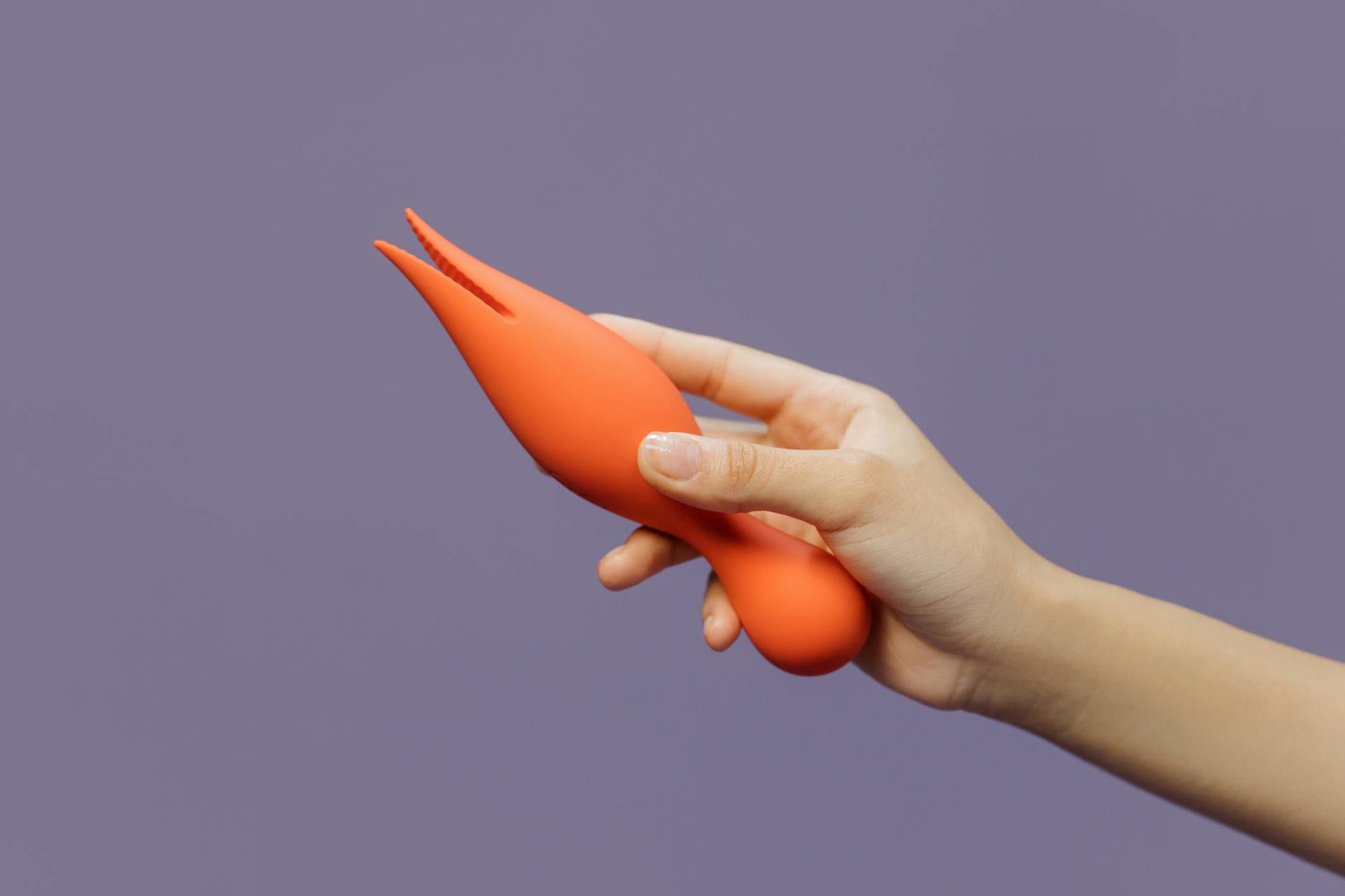
This is where a lemon vibrator becomes useful. A clitoral vibrator doesn't require desire to work. It works on arousal directly. You can have zero motivation to have sex and still find that five minutes with a lemon sucker rebuilds the neural pathways for pleasure.
How to use a lemon vibrator when you're in transition mode
First: reframe this as nervous system reset, not foreplay. You're not trying to have sex. You're trying to remind your body that pleasure exists. That's the whole goal.
Start with solo sessions. Seriously. This is not the time to add partner dynamics. Your nervous system is already managing too much. Give yourself ten to fifteen minutes alone, no expectation of orgasm, no clock-watching. The lemon vibrator's suction stimulation works gently on tissue that's been neglected. You might feel nothing the first time. That's fine. You're rebuilding the pathway.
Keep it simple. Patterns one through three on a lemon clitoral vibrator. No fancy technique. Light touch. The whole point is to create a positive association between your body and pleasure without adding mental load.
Do this two or three times a week, not daily. Recovery time matters. Your nervous system needs to integrate. Daily use during high-stress periods can flatten the sensation.
When libido drops, your partner's role actually shifts
This is the conversation most couples skip and then resent each other over. During a transition, your partner can't fix your libido. They can make space for it to return. That's different.
This means not pressuring sex. Not making it another thing on the to-do list. Not turning it into a "we need to reconnect" obligation that feels like work. It means actively reducing other mental load where possible. It means saying "I'm using this time to rebuild my own pleasure response, and I'll let you know when I'm ready to share it with you."
Many partners respond well to that transparency. They stop waiting for spontaneous desire and instead witness you actively rebuilding it. Some want to be part of that process. That's worth a conversation. But it's a conversation about support, not about sex.
The timeline is longer than you think
Most people expect libido to return within weeks of a major life transition. It doesn't. Major transitions (job change, relocation, family crisis, financial stress) typically require three to six months for the nervous system to recalibrate. Your desire will likely follow that timeline, not a faster one.
Using a lemon vibrator during this window shortens the recovery. But it doesn't eliminate it. What it does is prevent the secondary problem: the shame spiral where you feel broken because desire hasn't magically returned.
If you're actively using a clitoral vibrator and noticing increased arousal capacity within four to six weeks, you're on track. If desire toward your partner is still flat at that three-month mark, that's worth examining separately. Sometimes transitions reveal relationship issues that were already there. Sometimes they just take time.
When to know it's more than transition stress
Libido naturally dips during life changes. But if you're six months into a transition and still feel nothing, or if arousal capacity isn't improving with regular use of a lemon vibrator, there might be something else happening.
Check three things. First: are you sleeping? Sleep deprivation flattens desire harder than anything except depression. Second: are you and your partner in conflict underneath the surface? Sometimes we blame stress when we're actually angry or hurt. Third: has your medication changed? Antidepressants, birth control adjustments, and blood pressure meds all affect arousal.
If it's sleep, fix sleep. If it's relationship tension, you might need a couples conversation or a therapist. If it's medication, talk to your prescriber about timing or alternatives. But if it's just transition stress, the lemon vibrator plus time is usually the answer.
How to bring your partner back in (when you're ready)
The goal of solo sessions with a clitoral vibrator isn't to become independent of partner pleasure. It's to rebuild your own nervous system so you have something to bring to partnered sex.
Once you're noticing arousal responses on your own, you can invite your partner. This might look like them being in the room while you use the lemon vibrator. Or it might look like them using it on you. Or it might just be them knowing you've done the work of rebuilding desire so partnered sex doesn't feel like an obligation.
The key: start slow. One transition-era couple mistake is jumping from months of no sex straight into aggressive reconnection. Your nervous system isn't ready. Your relationship probably isn't either. Slow buildup allows both of you to adjust.
The secondary benefit nobody talks about
Using a lemon sucker during life transitions does something else: it reminds you that pleasure is something you can take. Not something that requires your partner to be available or interested. Not something you have to earn through being a good partner or parent or employee. During transitions when everything feels like a list of obligations, that agency matters psychologically.
This isn't about self-sufficiency over partnership. It's about reclaiming the part of you that knows how to desire and enjoy your own body. That part gets buried during stress. Rebuilding it is part of rebuilding yourself.
FAQ: Libido during transitions
How long does it actually take for libido to return after a major life change?
Three to six months is typical for most people, depending on the transition. A job change might resolve faster than a move or major relationship shift. The timeline isn't about your relationship being wrong. It's about your nervous system recalibrating to feel safe again. Using a lemon clitoral vibrator during this period can accelerate recovery by two to three months, but it doesn't eliminate the biological reset time needed.
Can using a lemon vibrator solo help when I feel disconnected from my partner?
Yes, but only if the disconnection is stress-related rather than relational. If you're disconnected because of unresolved conflict, infidelity, or emotional distance, a vibrator addresses the symptom, not the cause. Solo sessions with a lemon vibrator help rebuild your own arousal capacity. But they don't fix relationship issues. If disconnection persists after the transition settles, couples work might be the next step.
Should I tell my partner I'm using a lemon vibrator to rebuild libido?
That depends on your relationship's communication style and whether you've discussed it before. For most couples, transparency helps. Saying "I'm working on rebuilding desire because the transition has made everything feel heavy" invites them into the process rather than leaving them confused about why you're not initiating. Some partners want to be involved. Others prefer giving you space. Either way, the conversation prevents resentment.
What if my partner feels threatened by a lemon vibrator during this time?
That's a conversation worth having directly. Sometimes partners interpret a vibrator as rejection. Sometimes they worry it means the relationship is ending. Neither is usually true during transitions. You might explain it as nervous system reset rather than partner dissatisfaction. Some couples find that using the lemon vibrator together, or having the partner involved, makes it feel collaborative rather than isolating.
Can libido drop again if another transition happens?
Absolutely. Major life changes will likely affect desire each time. But once you've rebuilt it once, you know how to do it again. You have tools. You know the timeline is manageable. Second and third times around, the anxiety about "what's wrong with us" usually disappears because you understand it's a normal nervous system response.
How do I know if it's transition stress or a deeper relationship problem?
Transition stress looks like: low desire that lifts as life settles, maintained affection for your partner despite the stress, and arousal capacity returning with time and nervous system regulation. Relationship problems look like: persistent resentment, avoidance of your partner outside the bedroom, loss of affection or friendship, and arousal that doesn't return even after the transition resolves. If you're in the second category, a lemon vibrator helps with the physical part, but you probably need relational help too.
What actually returns when libido comes back
It's not passion that returns first. It's curiosity. Then capacity. Then, slowly, desire. This happens gradually, not suddenly. You'll notice you think about sex slightly more often. You'll feel arousal response slightly faster. Your partner will touch you and you'll notice it instead of moving through it. Then one day you'll actually want to initiate.
Using a lemon clitoral vibrator through this process keeps the pathway alive. It says to your nervous system: "pleasure is still possible." During transitions when everything feels fragile, that matters.
The good news: libido returns. It always does, once the transition settles. And couples who navigate this period thoughtfully often come out with deeper understanding of each other. You've seen each other under stress. You've had to communicate about desire instead of letting it be automatic. That's not romantic, but it's solid.
Start with solo sessions. Give yourself time. Use a lemon vibrator to rebuild your own pleasure response. Tell your partner what you're doing. And trust that this is temporary, even when it feels permanent.