Let's talk about the elephant in the bedroom
One partner wants sex three times a week. The other is fine with once. One person has a high libido in the morning; the other peaks at night. One craves it intensely after stress; the other shuts down. Mismatched desire is not a sign the relationship is broken. It's one of the most common relationship dynamics, and it's almost never about love.
Here's what I see in my practice repeatedly: couples blame themselves, blame their partner, or blame hormones when the real issue is that they've never separated desire from obligation. A clitoral vibrator like the Lem changes that equation entirely because it lets you reclaim pleasure on your own timeline without guilt, without waiting, without negotiation fatigue.
Why libido mismatch happens (and why it's not your fault)
First, the obvious: people have different baseline sex drives. This is biological, not personal. One partner might naturally want sex more frequently. That's not a character flaw in either direction.
But there's more nuance. Libido fluctuates based on stress, sleep, hormones, relationship satisfaction, career pressure, and whether someone feels emotionally safe. The partner with the lower drive might not actually have lower desire. They might have higher anxiety, less confidence, higher sensory sensitivity, or simply need more foreplay and emotional connection to feel ready. That's completely different from not wanting you.
When couples get stuck in a mismatch dynamic, a painful pattern usually emerges. The higher-desire partner initiates more and gets rejected more, which triggers rejection sensitivity. The lower-desire partner feels pressured, which kills arousal further. Both people end up resentful. Both feel undesired. Both blame the other for the gap.
The real problem isn't the mismatch itself. It's that the higher-desire partner has made their pleasure contingent on their partner's willingness, and the lower-desire partner has internalized the feeling that they're failing.
What a lemon vibrator actually solves
A clitoral vibrator doesn't fix the mismatch. It removes the pressure that created it in the first place.
When you have a reliable way to access pleasure independently, something shifts psychologically. You stop needing your partner to want you in that moment to feel desired. You stop resenting them for not being in the mood. You get relief without guilt. And counterintuitively, partners often report that this independence makes them want to connect more frequently, not less.
Why? Because the dynamic changes from "I'm trying to convince you" to "I'm taking care of myself, and I'm happy." That's attractive. That's not desperate. That's not obligatory. That's confidence, and it matters.
The Lem specifically works well for desire mismatch because of how air-suction technology operates. It's fast, it's reliable, and it requires less warm-up time than many other clitoral vibrators. If your partner's libido peaks later in the evening and yours wakes up with coffee, you can actually take ten minutes for yourself while they're still sleeping, or after they've gone to bed.
Having the conversation that actually helps
Here's where most couples go wrong: they talk about the mismatch as a problem that needs fixing, usually by pressuring the lower-desire partner to want more. That approach fails 100% of the time.
The conversation that works sounds different. It's: "I love you, and I also deserve pleasure. I'm going to take care of that for myself sometimes. That's not a reflection on you. I hope you can be okay with that."
Then, crucially, you follow through. You actually do it. You own your pleasure instead of handing it over to your partner as their responsibility.
If your partner has anxiety about this (and some do), name it directly. "I notice you seem uncomfortable. Let's talk about what's coming up for you." Often the discomfort is old cultural messaging about what a partner "should" be able to provide. Sometimes it's insecurity. Sometimes it's genuine concern about the relationship. Let them say it out loud. Then separate their feelings from the facts: your pleasure isn't about them; it's about you loving your body.
Making space for both of you
The tricky part of libido mismatch isn't the mismatch itself. It's resentment building in the gap. When the higher-desire partner suppresses their needs to match the lower-desire partner, frustration seeps in. When the lower-desire partner feels constantly pressured, they withdraw further.
A healthy dynamic looks like this: you take care of your own needs regularly. Your partner takes care of theirs. And you also stay connected as a couple through other physical touch and emotional intimacy that doesn't always have to lead to sex.
Lemon vibrators give you permission to do that first part without guilt. You're not cheating on your partner. You're not saying "you're not enough." You're saying "I respect my body, and I'm going to care for it." That's the opposite of resentment.
When to integrate your partner (if you want to)
Some couples find that after the lower-desire partner sees their higher-desire partner self-soothing confidently, they actually want to participate. Maybe they want to watch. Maybe they want to be in the room. Maybe they want to join sometimes but not always.
That invitation has to come from them. Don't ask permission; just make it clear you're open to it. "I'm going to enjoy myself for a bit. You're welcome to join if you want, but no pressure." Then drop it. If they want in, they'll say so.
Others find that incorporating a clitoral vibrator into partnered sex actually helps the lower-desire partner feel more pleasure, which can shift their interest. If someone's been having mediocre or painful sex, of course they don't want more of it. But if a vibrator changes that experience to something genuinely satisfying, desire sometimes follows naturally.

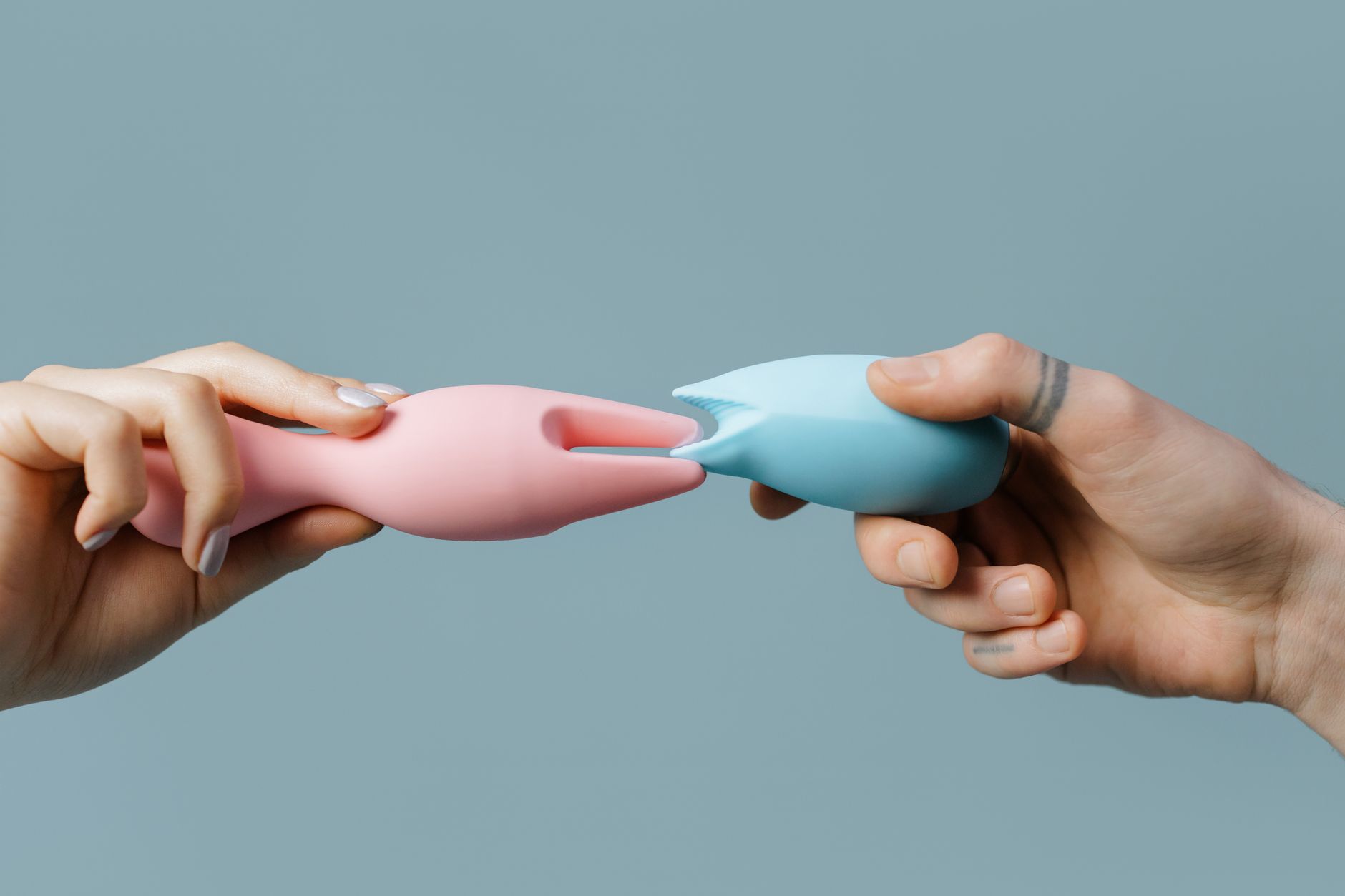
Photo by cottonbro studio on Pexels
The permission structure that actually matters
One of the biggest shifts I see when couples introduce a lemon vibrator into a mismatched-libido dynamic is that both partners suddenly feel less trapped. The higher-desire person stops waiting. The lower-desire person stops feeling obligated. Both people get relief.
But that only works if you actually give yourself permission. This is where shame often sneaks in. If you're using a clitoral vibrator but mentally apologizing for it, or hiding it, or feeling like you're settling because your partner "won't give you what you need," you're still making your pleasure their responsibility. You're just doing it secretly.
Real permission means: I deserve pleasure. I'm allowed to access it. This is normal, healthy, and it doesn't threaten my relationship. Say it out loud if you need to. Write it down. Internalize it. Because the shift from resentment to peace happens inside your own mind first.
Why this matters beyond the bedroom
Libido mismatch is rarely just about sex. It's usually about feeling wanted, feeling like a priority, feeling desired. When you reclaim your own pleasure instead of making it your partner's job to provide, you get some of that back for yourself. You stop looking to them for validation. You start generating your own.
And partners notice. They notice you're lighter, less resentful, less demanding of their mood and availability. That confidence is actually attractive. That's when I see couples report that desire starts to synchronize more naturally, not because anyone's forcing it, but because the pressure is finally off.
Your pleasure matters. Not as a duty your partner owes you, and not as something you should be ashamed of. As something you deserve, on your own timeline, in your own body. A lemon vibrator is just a tool. But it's a tool that says: I'm taking myself seriously.
People also ask
Is it normal for partners to have mismatched libidos?
Completely normal. Studies show that about 30-40% of couples experience significant desire discrepancy at some point. It's one of the most common relationship complaints I hear. The key is how you handle it, not whether it happens.
Will using a vibrator make my partner feel replaced or inadequate?
Some partners worry about this initially, but the research shows the opposite: when the higher-desire person stops pressuring the lower-desire partner and starts self-soothing, resentment drops and intimacy often improves. The anxiety usually comes from old beliefs that a partner should be your only source of pleasure. That's not how healthy sexuality works. Your pleasure is your responsibility.
What if my partner is uncomfortable with me using a vibrator?
That discomfort usually traces back to insecurity or cultural messaging, not a real threat to the relationship. Name it directly: "I notice you seem uncomfortable. I want to understand what's coming up for you." Often just naming it opens a conversation. If your partner continues to be controlling about your body and pleasure, that's a relationship issue bigger than a vibrator. You might benefit from couples therapy to address the underlying trust or control dynamics.
Should I tell my partner I'm using a clitoral vibrator?
If you're in a trusting, emotionally safe relationship, honesty is usually better than secrecy. You don't need their permission, but transparency builds trust. Try something like: "I'm going to use a vibrator to explore my pleasure. I wanted you to know because I don't keep secrets from you." That's different from asking permission.
Can a vibrator actually help rebuild desire when the mismatch is causing resentment?
Yes, but only if you address the underlying dynamic. The vibrator removes the pressure temporarily, which is huge. But if resentment has built up deep, you might need to work with a couples therapist to rebuild trust and communication. A lemon vibrator is a tool for pleasure, not relationship repair.
How do I know if libido mismatch is a sign we're incompatible?
Libido mismatch alone is not incompatibility. Incompatibility is when two people handle the mismatch with contempt, control, or unwillingness to work with it. Many happy couples have mismatched desires and thrive because they respect each other's autonomy. If your partner is controlling, contemptuous, or refuses to acknowledge your needs, that's a different problem. Consider working with a couples specialist like a Gottman-trained therapist to assess whether the relationship itself is healthy.
Your desire matters. Your body matters. And if your partner's libido doesn't match yours, that doesn't mean you have to choose between your needs and the relationship. You get both. Start by believing that, and everything else follows.