When sensation goes quiet, nothing else feels right
You touch yourself and feel almost nothing. Your partner touches you and it's like watching someone else's body respond. Or maybe there's pressure, but no spark. No gathering warmth. Just. Nothing.
That numbness can feel like your body has left the room without you.
Here's what I need you to know first: this isn't a sign that pleasure is over. It's a signal. Something in the system has gotten stuck. And unlike what you've probably told yourself, it's usually fixable.
Why sensation actually disappears
Numbness during sex has several common causes, and most of them have nothing to do with being broken or too old or "past your sexual prime." Listen to the actual neurology for a minute.
Chronic stress and dissociation. When your nervous system spends months or years in high alert, your brain learns to tune out body signals as protection. You're literally not numb because your tissue is different. You're numb because your vagus nerve is trained to disconnect. That's not weakness. That's your brain doing exactly what it was designed to do under threat.
Medication side effects. SSRIs, antihistamines, blood pressure meds, even birth control can flatten sensation. Your clitoris still has all its nerve endings. The signal just isn't reaching your brain the way it used to. That's chemistry, not anatomy.
Pelvic floor hypertonicity. When your pelvic floor muscles are chronically tight (from trauma, anxiety, or habit), they restrict blood flow and nerve signaling to the clitoris and vulva. You might feel tension instead of pleasure. The tissue is getting less oxygen and fewer nerve signals are getting through. Tightness masquerades as numbness.
Deconditioning. If you've been away from sex for months or years, the neural pathways for arousal genuinely atrophy a little. It's the same reason your legs feel weak after bedrest. Your brain and body need practice to remember.
Hormonal changes. Estrogen supports nerve sensitivity in genital tissue. If estrogen drops (menopause, certain medications, low body fat), sensation can flatten. But this is usually reversible with adjustment.
Why lemon vibrators work when nothing else does
Here's the thing about traditional vibrators: they buzz. They stimulate through steady, rhythmic vibration. If your nervous system is disconnected or your sensation is already low, a standard vibrator sometimes just feels like pressure against numbness.
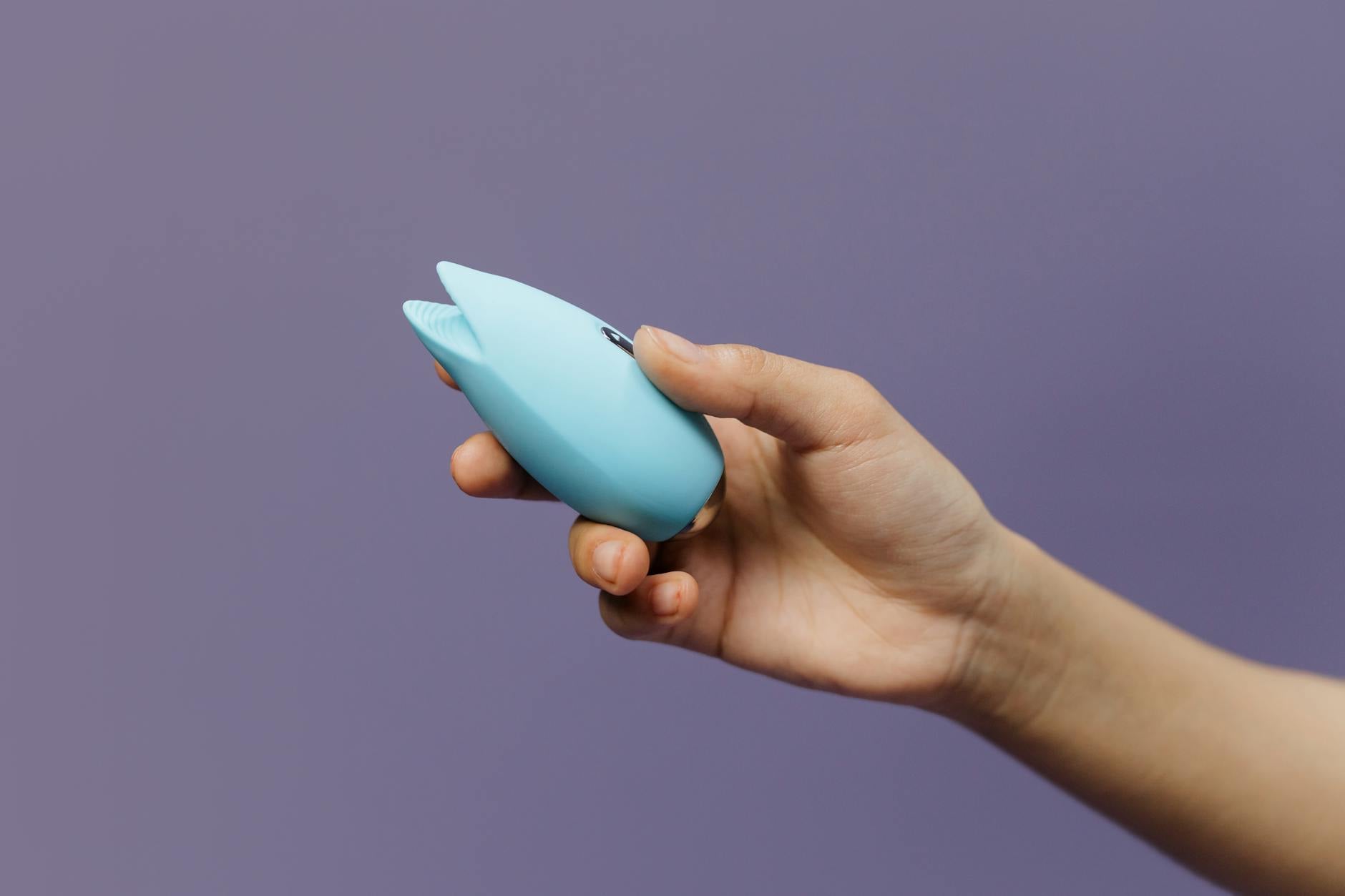
Lemon clitoral vibrators work differently. The Lem uses gentle suction and pulsing instead of direct vibration. That suction stimulates nerves in a way that bypasses some of the blocks that high-frequency buzzing can't reach.
Why does this matter for numbness specifically?
First, suction creates a pulling sensation, not a friction sensation. If your pelvic floor is holding tension, friction can feel muted. Suction engages the nervous system through a different pathway.
Second, lemon vibrators tend to work better at lower intensities. If you're used to needing high-power vibration to feel anything, that constant overstimulation can actually numb you further. The Lem lets you start gentler and build. Your nervous system can recalibrate.
Third, the sensation of suction is inherently more dynamic. It's not just "on" or "off". There's a texture to it. Your brain has more information to process, which means more of your attention lands in your body.
The protocol for reconnection
Start here if sensation feels flatlined.
Step one: prepare your nervous system. Before you touch yourself, spend ten minutes on something that signals safety to your body. A hot shower. A walk. Five minutes of breathing where your exhale is longer than your inhale. You're asking your nervous system to wake up. It won't if it's still in defend mode.
Step two: lubrication. Use a water-based lubricant even if you don't think you need it. Numbness often comes with reduced natural lubrication. Lube reduces the friction that can feel uncomfortable on numb tissue and helps the suction work more effectively. Apply generously.
Step three: start at pattern one. The Lem has multiple intensity and pattern settings. Most people with normal sensation jump to level three or four. If you're numb, start at one. The goal isn't to chase intensity. The goal is to wake up nerve endings that have been quiet.
Step four: practice the pause. Use the lemon vibrator for two to three minutes, then stop. Wait thirty seconds. Notice what you feel. Maybe nothing yet. That's fine. Then start again. This stop and start trains your nervous system to pay attention to small shifts. You're basically teaching your brain and body to talk again.
Step five: variety. Don't do the exact same pattern every time. Switch between settings, positions, and angles. Your nervous system gets bored fast. Novelty is what wakes sensation back up.
Step six: patience with the timeline. Many people report that sensation starts returning after about three weeks of regular use. Some take longer. This isn't like flipping a switch. You're retraining your nervous system.
When numbness is emotional, not physical
Sometimes sensation goes numb not because your clitoris has changed, but because you've emotionally disconnected from pleasure.
Maybe sex has become obligatory. Maybe there's resentment in the relationship. Maybe you've spent years prioritizing your partner's pleasure or your partner's comfort over your own sensation. After a while, your body stops bothering to show up.
A lemon vibrator helps with this too, but differently. Because it's solo. Because it's yours. Because the only goal is what feels good to you right now.
If this is your block, the practice is permission. Use the vibrator without an outcome in mind. No orgasm required. No performance. Just ten minutes of attention on what your body actually wants. Most people who've been numb for emotional reasons find that attention alone starts waking things up.
What to do if sensation still doesn't return
If you've been using a lemon clitoral vibrator consistently for four weeks and sensation is still flatlined, it's time to talk to someone.
A pelvic floor physical therapist can assess whether tight muscles are the culprit. A gynecologist can check for hormonal causes or medication side effects. A therapist can help if there's trauma or dissociation in the mix.
None of this means you're broken. It means your pleasure deserves professional support. And that support works. I've watched people who felt completely numb for years come back to sensation once they had the right help.
Your body didn't forget how to feel. It just learned to protect itself. The good news: it can unlearn that too.
Common questions about reconnecting sensation
How often should I use a lemon vibrator if sensation is numb?
Three to five times a week is ideal for retraining your nervous system. More than that and you risk overstimulation, which can flatten sensation further. Less than three times a week and your nervous system doesn't get consistent enough signals to rewire. Think of it like physical therapy for your pleasure system.
Can I use my lemon vibrator with a partner while reconnecting?
Absolutely. In fact, some people find that having a partner present (without pressure to perform) helps them feel safer in their body. Just make sure the focus stays on sensation, not on reaching an orgasm or pleasing your partner. If you're using a lemon vibrator with your partner without overthinking it, communication about your numbness experience helps them understand what's happening.
Why does numbness sometimes come back after I've reconnected?
Sensation is fragile when you're rebuilding it. Stress, relationship conflict, medication changes, or going back to high-intensity vibration can flatten it again. The second time, reconnection usually happens faster because your nervous system knows the way. But you might need periodic "recalibration" sessions where you slow down and use lower intensities again.
Is my numbness permanent if it's been years?
No. Even people who've been numb for a decade or more have reported sensation returning after consistent practice with the right tool and support. The brain's capacity to rewire is genuinely remarkable. Years of numbness might mean you need more patience or professional support, but it's not a permanent sentence.
Should I try stronger vibration to "wake up" numb sensation?
Countintuitively, no. Stronger vibration often numbs sensation further because it overwhelms the nerve endings instead of gently stimulating them. This is especially true if your numbness is connected to dissociation or pelvic floor tension. Start gentle. Build slowly. That's how you actually wake things up.
Can lemon vibrators help if numbness is from medication?
They can help you adapt, but they won't fix the underlying cause. If your numbness is from an SSRI or other medication, talk to your prescriber about adjusting timing, dose, or medication entirely. Sometimes switching to a different class of antidepressant makes a huge difference. In the meantime, a lemon vibrator can help you maintain what sensation you do have and experiment with what feels accessible right now.
What if I feel pain instead of numbness when I use a clitoral vibrator?
Pain is different from numbness and needs different support. Check out how to use a lemon vibrator with pelvic floor dysfunction and pain for specific guidance. Pain usually means your pelvic floor is holding tension or your tissue needs more lubrication and gentler pressure.
The part nobody tells you
Reconnecting sensation isn't just physical. When you spend months or years numb, you learn to doubt your body. You wonder if you're still capable of pleasure. You might start avoiding sex altogether because numbness feels safer than disappointed hope.
Reconnection asks you to take a small risk. To believe that your body might surprise you. To spend ten minutes alone with yourself and trust that something might shift.
That's harder than it sounds. But it's also where real change starts.
A lemon clitoral vibrator is a tool. A really good one. But the actual work is yours. It's the decision to show up. To try again. To believe that your numbness isn't the end of the story.
If you want guidance through this process or have questions about how to support someone you care about through numbness, reach out. That's what I'm here for.