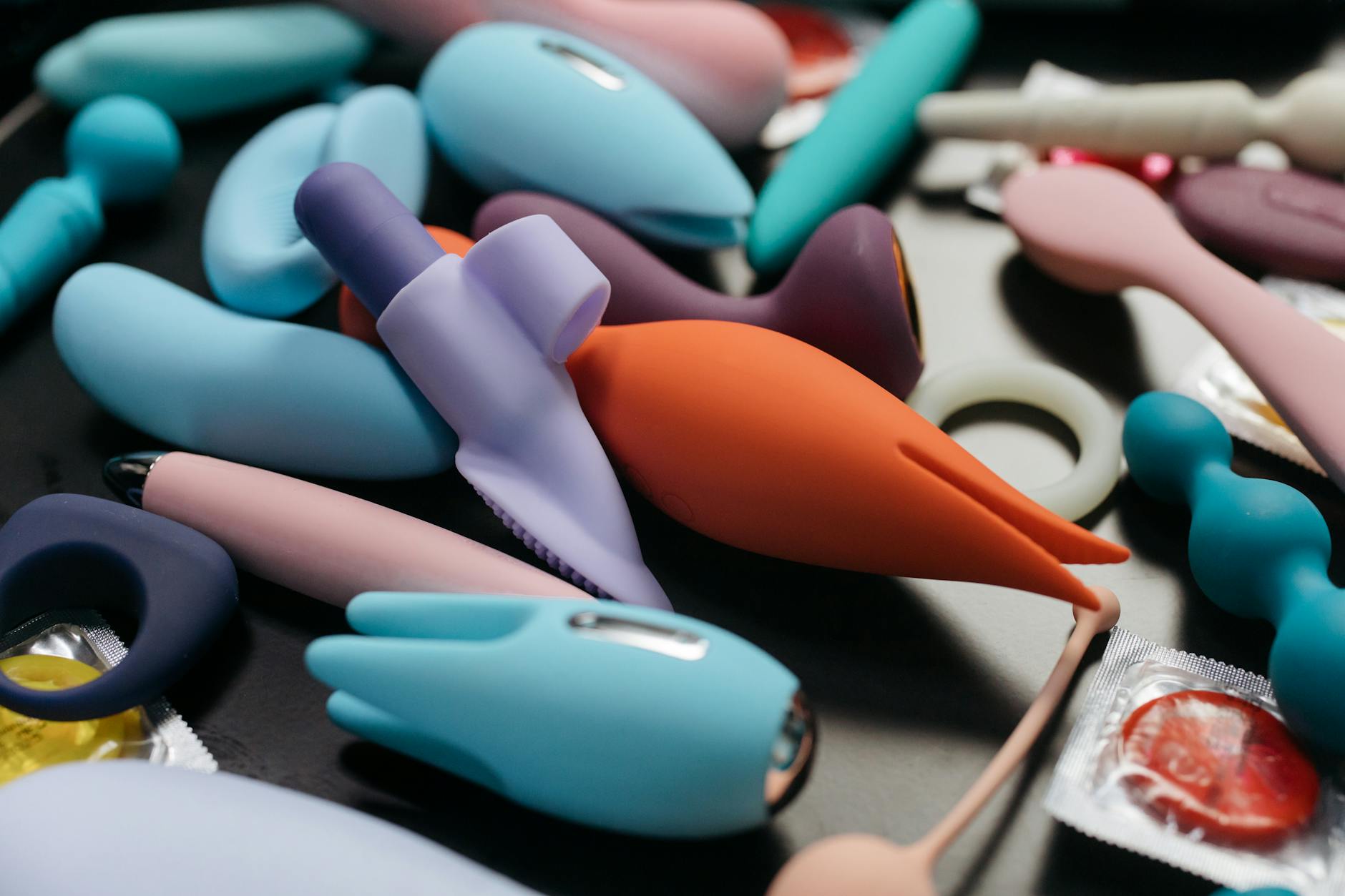
How to Use a Lemon Vibrator When You're Starting Over After Divorce
Divorce rewires your relationship with your own body. Suddenly, pleasure feels complicated. What once was shared becomes solo. What felt natural now requires permission from yourself. That shift is real, and it's worth taking seriously.
After divorce, many people tell me they've lost track of what turns them on. Not because desire disappeared, but because they spent so long calibrating their sexuality around someone else's preferences that they forgot their own map. Rebuilding that takes time, patience, and honestly, some good tools. A lemon vibrator (specifically, a clitoral vibrator like the Lem) can be one of those tools. Not because you're broken, but because you're learning yourself again from scratch.
The post-divorce pleasure gap is real
Here's what the research rarely mentions: divorce disrupts your nervous system's pleasure pathways. You're not just grieving the relationship. You're also processing loss of physical touch, disruption of routine, potential shame or regret, and maybe even anger at yourself or your body. All of that lives in your nervous system, not just your brain.
Meanwhile, you're probably managing logistics, finances, co-parenting arrangements, or single-parent burnout. It's no wonder pleasure feels like a luxury you don't have time for, let alone something worth exploring on your own.
But here's the thing: reconnecting with your own pleasure is not a luxury. It's a marker of healing. When you can touch yourself and feel good without any agenda except feeling good, something shifts. You're reclaiming your body as yours alone. That's powerful.
Why a clitoral vibrator helps when starting over
After divorce, your nervous system is often in a mixed state. You might feel numb one day and hypersensitive the next. You might have anxiety around being touched (even by yourself). You might also carry residual anger or shame that gets tangled up in pleasure.
A lemon vibrator helps because it bypasses some of that psychological noise. The sensation is consistent, non-judgmental, and entirely within your control. You're not negotiating. You're not managing anyone else's expectations. You're just following what feels good, which is exactly what you need to learn right now.
Clitoral vibrators also work faster than manual stimulation alone. That matters post-divorce because you're probably exhausted. If you can experience pleasure in 10-15 minutes instead of 40, you're more likely to actually do it. And the practice of experiencing pleasure regularly (even solo) teaches your body that it's safe to feel good again.
Starting slow: the first few times
If you haven't used a vibrator before, or it's been a long time, start low. Literally. Set the Lem to pattern 1 or 2. Your nervous system after divorce is probably more sensitive than you realize, and that sensitivity can go two ways. It can mean too much stimulation feels overwhelming. Or it can mean the right kind of touch feels revelatory.
Give yourself time to find out which.
Start in a space where you feel genuinely safe and alone. Not rushed. Not listening for sounds from other rooms. Not half-thinking about your inbox. Your body won't relax into pleasure if your nervous system is scanning for threat.
Spend the first few sessions just exploring what the vibrator feels like. Where on your vulva does it feel best? Does the sensation change if you angle it differently? Do you like it steady, or do you prefer patterns? There's no right answer here. You're collecting data about yourself.
Handling the emotions that come up
Sometimes pleasure after divorce opens a door to grief. You might start using your lemon vibrator and suddenly feel sad, or angry, or lonely. That's not a sign you should stop. That's your nervous system processing. It happens.
If that occurs, pause the vibrator, but don't judge yourself. Sit with whatever feeling came up. Let it exist for a moment. Then decide if you want to keep going, or if you want to stop and do something else. Both are fine.
Over time, as you practice pleasuring yourself regularly, the grief and the pleasure will separate. You'll be able to feel good without it triggering the loss. That's when you know your nervous system is healing.
Using a lemon vibrator to rebuild confidence
One of the biggest shifts post-divorce is rebuilding your sense of sexual agency. For years, your sexuality might have been contingent on having a partner. Now it's yours alone. That can feel simultaneously terrifying and liberating.
Using a lemon clitoral vibrator regularly (even just 2-3 times a week) rewires that. Each time you use it, you're sending a message to your nervous system: my pleasure matters. My body is mine. I get to decide what feels good.
That confidence doesn't stay confined to the bedroom. When you practice valuing your own pleasure, you start valuing yourself differently in other areas too. You ask for what you want. You set better boundaries. You stop apologizing for taking up space.
That's not an accident. That's nervous system recalibration.
The logistics: privacy, timing, and preparation
Post-divorce, you might have less privacy than you're used to (custody arrangements, roommates, smaller space). That's a real constraint, and it's worth acknowledging.
Figure out when and where you actually have alone time. Is it early morning before anyone wakes up? Late at night? During a scheduled solo parenting evening? Protect that time, even if it's just 15 minutes. Your pleasure is worth scheduling around.
Wash your lemon vibrator before and after with warm soapy water. Keep it somewhere you're comfortable accessing it without shame. Some people keep it in a nightstand drawer. Others in a small cosmetics bag in the bathroom. There's no rule. It's your space, your body, your terms.
Warm-up matters more than you'd think. Spend a few minutes touching yourself with your fingers before introducing the vibrator. That helps your body recognize: this is pleasure time. Your nervous system will ease into it faster.
When to escalate: moving from exploration to rhythm
After a few sessions (could be a week, could be a month), you'll probably feel ready to move beyond exploration. Maybe you've found a spot that feels electric. Maybe a particular pattern on the vibrator feels amazing. Now it's time to use that knowledge to actually go for an orgasm.
Honestly though: don't pressure yourself to climax. Post-divorce, some people find orgasms come easily again because the pressure is off. Others find they take longer to return. Both are normal. What matters is that you're feeling pleasure, not hitting a target.
If you do want to aim for an orgasm, set the Lem to the pattern that felt best in exploration mode, then try steady pressure in that same spot. Consistency matters. Your body needs to build momentum. Keep the pressure steady for at least 5-10 minutes. If it's building, stay there. If it plateaus, try a slightly higher intensity level.
Pleasure as a practice, not a performance
This is the big mindset shift post-divorce: pleasure doesn't have to look like anything. You don't need to orgasm. You don't need to reach some destination. The goal is the feeling itself. Five minutes of actual pleasure is infinitely better than 40 minutes of mechanical trying.
When you use your lemon vibrator this way, you're not performing for anyone. You're not meeting anyone else's expectations. You're just following sensation. That's the whole point.
Over time, this practice rewires how you relate to your body. You stop seeing it as a thing that should work a certain way. You start seeing it as a source of information, feedback, and genuine good feeling. That shifts everything.
FAQ: Common questions about lemon vibrators after divorce
Can using a vibrator solo make it harder to orgasm with a partner later?
No. Using a lemon clitoral vibrator teaches your body what feels good and helps your nervous system remember that pleasure is safe. That knowledge transfers. If you do eventually have a partner, you'll have a much clearer map of what works for you, which actually makes partnered sex better.
Is it normal if I don't feel anything the first few times?
Completely normal. Post-divorce, your nervous system might be numb to sensation. Give it time. Keep the pressure light and consistent. Try at different times of day. Arousal isn't just physical. Your emotional state matters. If you're stressed or grieving, pleasure can feel inaccessible. That's not broken. That's your nervous system protecting you. It will open back up.
How often should I use a lemon vibrator when starting over?
Start with once or twice a week. No more pressure than that. You're building a practice, not a habit. As it becomes more natural, you might want more. Or you might find that twice a week feels right. Listen to your body. If you're using it compulsively to numb out (rather than to feel good), that's worth noticing. But regular, intentional pleasure practice? That's healing.
What if I feel guilty about solo pleasure after divorce?
That guilt is often the residue of old messaging: sexuality is for partnership, for reproduction, for someone else's benefit. That's garbage. Your sexuality belongs to you. Your pleasure is yours alone. Using a lemon vibrator to experience that? That's reclamation. It takes practice to quiet the guilt, but every time you feel genuinely good, you're rewiring it.
Can I use a lemon vibrator if I'm on antidepressants?
Maybe yes, maybe no. Antidepressants (especially SSRIs) can lower sensation and make orgasm harder. If that's happening, talking to your prescriber is worth it. They can adjust dosing or timing. In the meantime, clitoral vibrators like the Lem can help because they provide consistent, intense stimulation that sometimes bypasses that numbness. But everyone is different. Pay attention to what your body tells you.
Should I tell a future partner that I use a vibrator?
That's entirely your call. Some people bring it up early as part of sexual communication. Others keep it private. There's no moral dimension here. What matters is that you're comfortable. If a future partner reacts badly to you having a lemon vibrator, that tells you something important about whether they're worth your time.
The bigger picture: pleasure as part of your healing
Divorce is a rupture. Rebuilding takes time. Reconnecting with your own pleasure is one thread in that bigger tapestry of healing. It's not the whole thing. But it matters.
When you pick up a lemon vibrator after divorce and use it to feel good, you're doing something radical. You're saying: my body is mine. My pleasure matters. I get to decide what feels good. I'm allowed to feel good just because.
That's not small. That's the beginning of reclaiming yourself.
Start slow. Be kind to yourself. Follow what feels good. And remember: there's no rush. Your body will open back up to pleasure on its own timeline. The lemon vibrator is just there to meet you where you are and help you remember what you already know.
If you're navigating the bigger emotional landscape of divorce and want support, my team at Hello Nancy Lemon is here to help. Get in touch anytime.