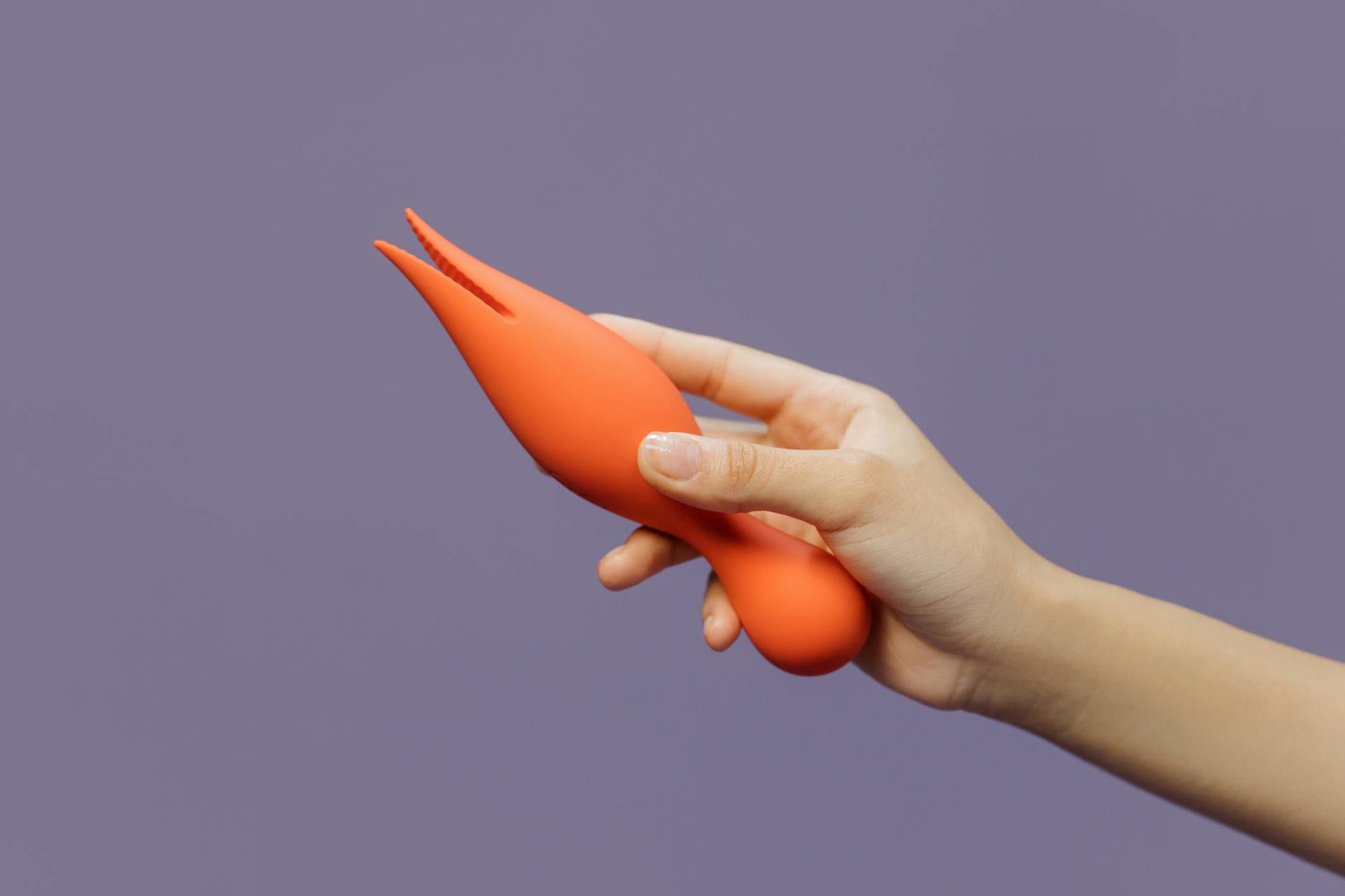
How to Use a Lemon Vibrator With a Partner
Here's the thing about bringing a lemon clitoral vibrator into partnered sex: you're not adding complexity, you're adding precision. But the gap between "this would feel amazing" and actually using it together feels impossibly wide. Awkward conversations, positioning that doesn't work, worry that your partner will feel replaced. I know.
Let's unpack the actual mechanics, the conversation part, and why this doesn't have to be weird.
The conversation you need to have first
Okay so most people skip this step and just surprise their partner mid-sex with a vibrator. That usually ends in fumbling, hurt feelings, or both. Start earlier. Start clothed.
Try something like: "I've been thinking about ways to make things feel better for me, and I'm curious about using a vibrator together. I'm not saying anything's wrong now. I just want to explore what feels good." That's honest without being accusatory. It's about you, not them.
If your partner's worried they won't be enough, that's real and worth naming directly. I hear this all the time in couples therapy: the partner with a penis worries that a vibrator means they can't satisfy their partner. The actual data? Studies show that couples who use toys together report higher satisfaction, not lower, and more frequent sex overall. Share that if it helps.
The practical angle matters too. Ask directly what position makes sense for both of you. That's not romantic pillow talk. But it beats discovering mid-thrust that the angle doesn't work and spending five minutes problem-solving while things cool down.
Positioning that actually works
Here's where most people get stuck. You can't just slot a lemon vibrator in anywhere and expect magic. Physics matters.
During penetrative sex: If you're using a lemon clitoral vibrator during penetration, the person with the vulva typically holds it or guides it. Your partner can hold it for you if you trust the angle, but honestly, you holding it gives you better control. That means you're involved, not passive. Good.
The positioning that works: you're on top or at an angle where you can reach your clitoris without contorting. If your partner's doing the penetrating, they can use one hand on your hip or your body for stability while you handle the vibrator. If it's a mutual angle (like both of you sitting), one person guiding the toy while the other focuses on their own movement is realistic and hot.
For external clitoral stimulation only: The lemon vibrator does this beautifully. You're lying back, your partner's between your legs, and the toy sits against your clitoris while they do whatever they're doing. No fight for positioning. The person using the vibrator can vary the pattern, pressure, and speed while staying out of the way of everything else.
Side-by-side: This is underrated. Lying on your sides facing each other, one partner using the lemon vibrator while the other handles whatever else is happening. You can make eye contact. You can kiss. You're not trapped beneath anyone's weight. Try it.
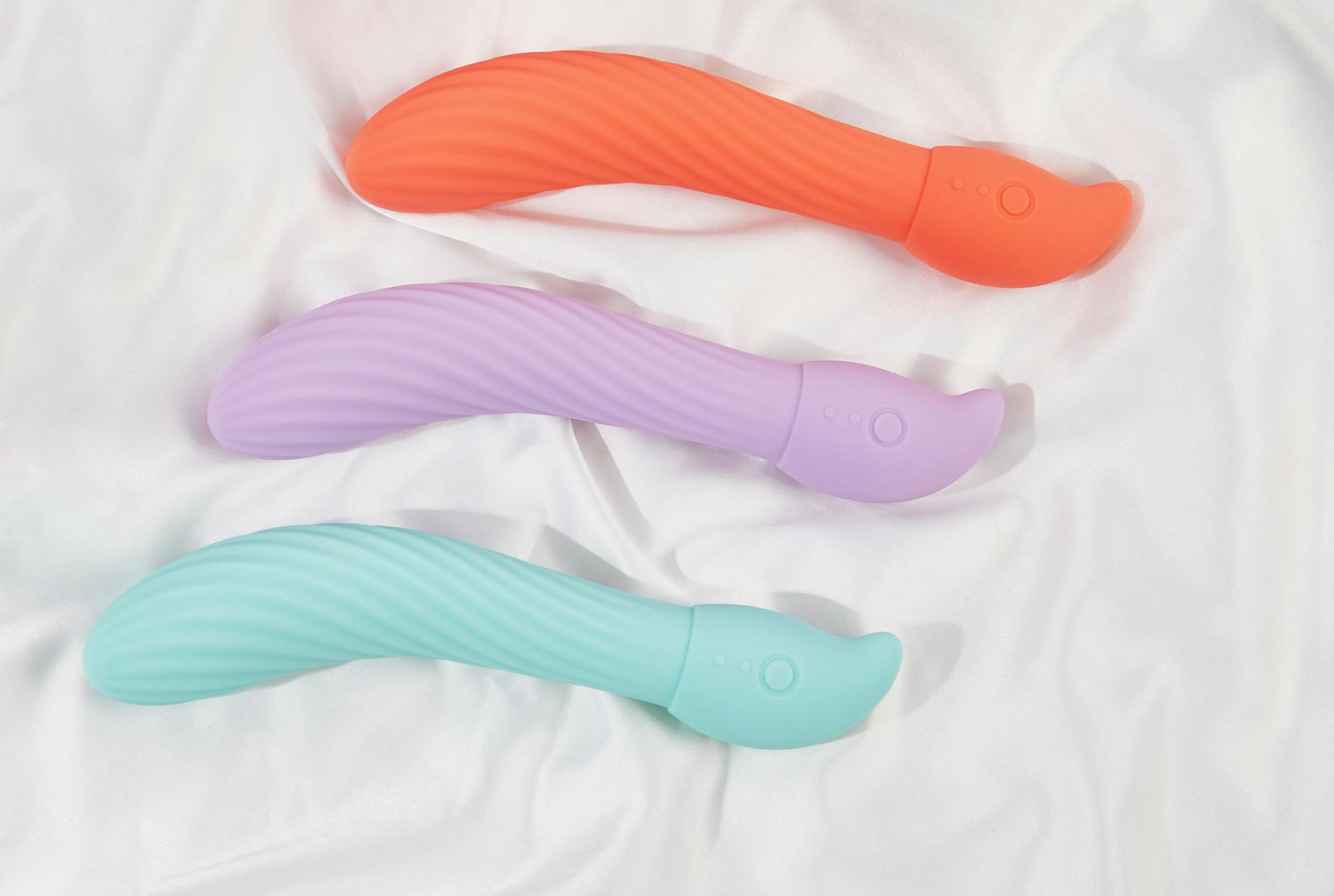
Photo by IFONNX Toys on Pexels
The rhythm and pressure question
One thing I see couples get wrong: using the vibrator at the same intensity the entire time. Your body's response changes as you approach orgasm. Early on, lighter touch. As you get closer, you might want more intensity, a different pattern, or even the opposite: something gentler.
Talk about this beforehand if you're comfortable. "I usually like it lighter at first and then more intense" is useful information. But also give yourself permission to adjust mid-sex. A simple "a bit faster" or "switch back to pattern two" is way less disruptive than fumbling silently.
If you're using a lemon clitoral vibrator like the Lem, which has multiple patterns, let your partner know which ones you prefer. Or better yet, experiment together first when there's no pressure. Turn it on, feel each pattern, notice which ones hit different. It's foreplay. Use it that way.
Handling the mental load
Here's what doesn't get discussed enough: using a vibrator during partnered sex requires a specific kind of focus. Your partner's doing their thing, you're managing the toy, you're trying to stay present and aroused all at once. That's multitasking, and it doesn't work for everyone.
Some people find it grounding. Some people find it distracting. Both are valid. If you're the person with the vibrator, you get to choose whether you want your partner holding it or you do. If you're the partner, you get to say: "I like being able to use both hands for other things" or "I like this, it makes me feel involved."
There's no correct emotional experience here. Just honest ones.
What changes as you get closer to orgasm
This is practical stuff that helps. As arousal builds, your clitoris becomes more sensitive. What felt perfect five minutes ago might feel too intense now. Your partner will notice you tensing up, pulling back slightly, or making different sounds. That's information. They're not expected to read your mind, but small cues help. A hand on theirs saying "lighter" or "that's perfect" keeps you both in sync.
If orgasm feels close, consistency matters more than variation. That's when you might say: "Keep doing exactly that." Not sexy in theory. In practice, orgasmic.
Some partners worry about "finishing you off" quickly with the vibrator. Honestly? If it means you get to come, that's a win. Coming fast doesn't mean the sex is over. You can come, take a beat, and keep going. Pleasure doesn't have to be a race or a single event.
After you use it together
One small thing: debrief briefly. Not a therapy session. Just "that felt good" or "next time let's try different positioning" or "I liked when you did X." This information is gold for future partnered sex. You're both learning what works.
Also, clean your lemon vibrator right after (especially if it was inside anything). Water and mild soap. It takes thirty seconds. Do that, and you're set for next time.
The insecurity thing (addressing it head-on)
If your partner seems hesitant or withdrawn after you introduce a vibrator, that's worth addressing directly. Some people genuinely worry that toys mean you're not satisfied with them. That's not your fault, but it's worth acknowledging.
You might say: "I'm using this because my body gets there better this way. That doesn't say anything about how I feel about you or our sex." Then follow through. Make sure they're involved, they're pleasured, and they know they matter. They probably do. Sometimes people just need to hear it.
Real talk on integration
Some couples use a vibrator every time. Some use it occasionally. Some use it for specific situations like during longer sessions when focused clitoral stimulation helps. There's no normal. What matters is that both people want to be there, it feels good, and no one's gritting their teeth through it.
A lemon clitoral vibrator—whether it's the Lem or another tool—works best when it's treated like any other part of partnered pleasure. Not a fix. Not a Band-Aid. Not a substitute. Just another way to explore what feels good together.
The awkwardness fades fast once you've done it once. You'll find your rhythm, your angles, your communication shorthand. That's when it stops feeling like you're introducing a thing and starts feeling like you're just having better sex.
FAQ
How do I know if my partner will be okay with using a vibrator together?
Ask them. Directly. "I've been thinking about trying a vibrator together. How do you feel about that?" Some partners worry it means you're not satisfied, so you might add: "I just want to explore what feels good for both of us." Their reaction tells you everything. If they're resistant, ask why. Is it insecurity? Lack of experience? Religious beliefs? Different comfort with toys? Once you know, you can address the actual thing, not the surface reaction.
Can we use a lemon vibrator during sex with condoms?
Absolutely. Water-based lube helps everything move smoothly. Keep the vibrator on the outside during penetration, or use it externally for clitoral stimulation while other things are happening internally. The toy doesn't interact with the condom. If your partner's worried about texture or sensation during penetration, the vibrator actually adds intensity while keeping things protected.
What if the vibrator buzzing is a turn-off for my partner?
That's real feedback. Some people find vibration distracting. Solution: not every session needs a toy. Use it for some encounters, skip it for others. Or explore quieter options—some vibrators are whisper-quiet, and some clitoral toys use suction instead of vibration. The Lem, for instance, uses air-pulse technology and is much quieter than traditional vibrators. Try before you commit.
How do we keep things from feeling mechanical or clinical?
Don't treat it that way. A vibrator is just another sensation. You can make it intimate by kissing while using it, maintaining eye contact, or incorporating it playfully instead of reverently. It's not sacred or separate. It's foreplay. Make it sexy by being present, not by treating it like medical equipment.
Should I hide the vibrator from my partner beforehand or tell them about it first?
Tell them. Surprising your partner mid-sex with a toy they didn't consent to almost always ends badly. Consent includes knowing what's coming. The conversation feels vulnerable, but the pay-off is a partner who's actually enthusiastic rather than startled.
What if I can only orgasm with a vibrator and my partner takes that personally?
This comes up constantly in my therapy practice. Some people need specific stimulation to come. That's not a reflection on your partner or the quality of your relationship. It's physiology. You might frame it this way: "My body responds best to this specific kind of stimulation. That doesn't mean I don't love our sex. It means I need this to get there." Then invite them in. Let them be part of it, not watching from the sidelines. Involvement shifts the narrative from "you're not enough" to "we're figuring this out together."
The wider picture
Bringing toys into partnered sex is one small way couples deepen intimacy and pleasure. It requires honesty, communication, and willingness to explore. If those things are already present in your relationship, adding a lemon vibrator is just a conversation plus some positioning work.
If those things are missing, the vibrator won't fix that. But it's a conversation starter. And sometimes, that's the most valuable thing a toy can do.
Resources
If you want to explore this further, our buying guide walks through different clitoral vibrators and what makes each one work for different bodies and preferences. Communication is the real tool. The vibrator's just evidence that you're willing to talk about what you want.