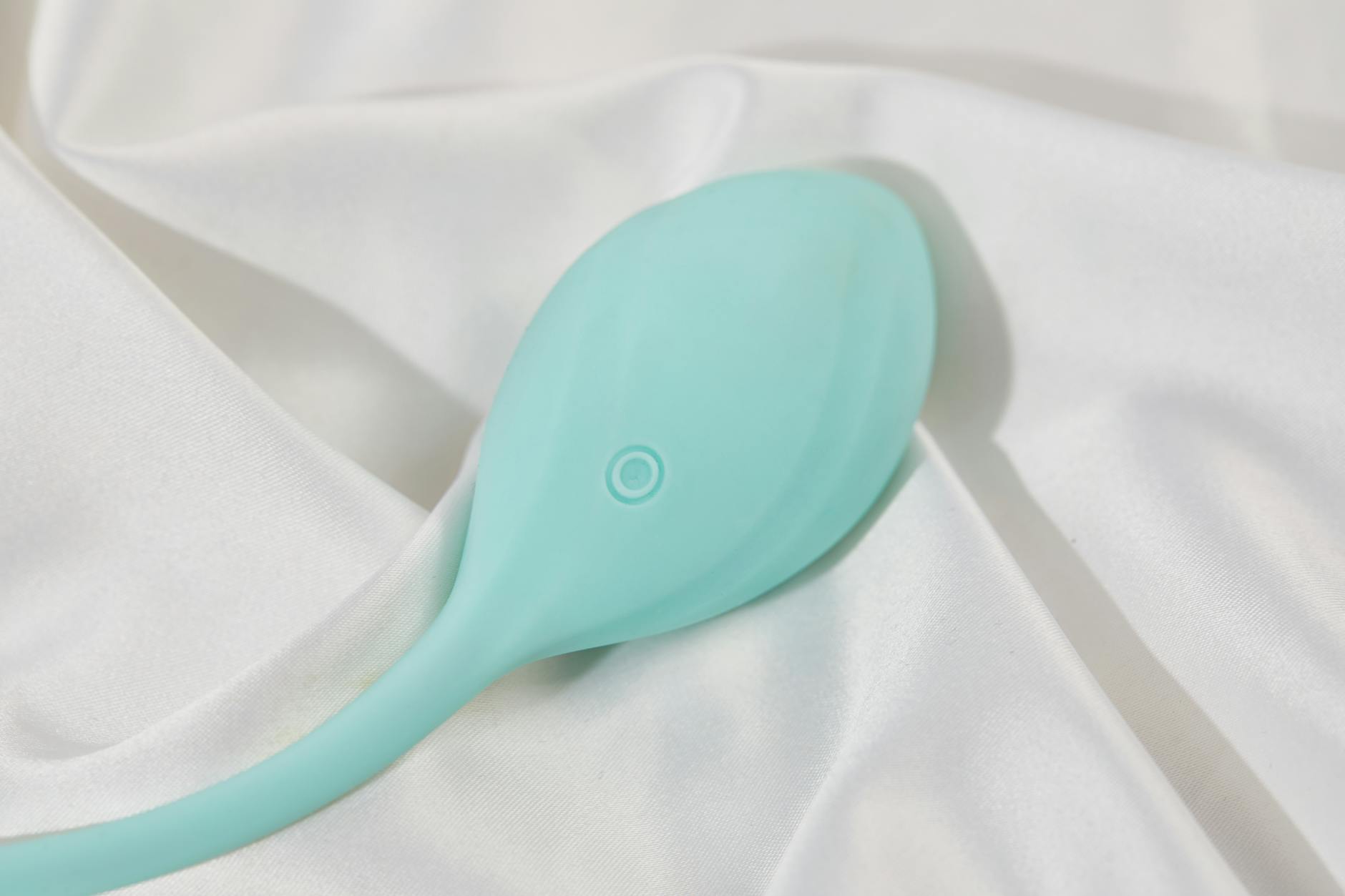
How medication changes sensation (and what you can do about it)
Let's be real. SSRIs, blood pressure meds, antihistamines, and even some birth control formulations can flatten pleasure in ways that feel shocking. One day you're fine. The next day it's like someone turned down the dial on everything from your neck down. That's not broken. That's not permanent. That's your nervous system adjusting to a chemical load.
Here's what happens physiologically. Many medications reduce blood flow to the genitals or dampen the neurotransmitters responsible for arousal and sensation. Serotonin reuptake inhibitors (SSRIs) are notorious for this. So are antihistamines. The irony is brutal: you're taking the medication for good reasons (mental health, allergies, blood pressure), but the cost is paid in pleasure.
The good news? Lemon clitoral vibrators like the lem work fundamentally differently than traditional vibrators, and that difference matters when sensation is compromised.
Why suction beats traditional vibration when sensation is dulled
A standard vibrator relies on direct friction and oscillation to trigger nerve endings. When sensation is already reduced by medication, friction alone often doesn't cut through the numbness. You need more stimulation to feel anything, which means cranking the intensity higher, which can actually train your nervous system to need even more stimulation.
Lemon suckers work through air-pulse technology. They create a gentle rhythmic suction that stimulates a much broader area of nerve tissue at once. This isn't friction. It's a wave. The difference is crucial: suction engages the nerves differently, which can bypass some of the desensitization that medication causes.
In practical terms, many people on SSRIs report feeling something on the lem at settings 1 or 2 where a traditional vibrator requires level 8 or 9 to register at all. That's not placebo. That's a different mechanism hitting a different part of your nervous system.
The five-step approach to rebuilding sensation
If you're taking medication that's dulled your pleasure, here's the protocol I recommend:
Step 1: Give yourself permission to feel frustrated. You've lost something. Acknowledge it. Don't skip ahead to "at least it's not worse." This sucks. That's true. You can also fix it.
Step 2: Start at the lowest setting and stay there for two weeks. This is the hard part because you might not feel much at first. Set the lem to pattern 1 or 2. Use it daily for 5 to 10 minutes. Your nervous system is learning that low-level stimulation is safe and available. Rushing to higher intensity defeats this.
Step 3: Combine it with longer warm-up time. Spend 15 to 20 minutes with your partner (if applicable) or solo doing things that used to turn you on. Read erotica. Watch something. Touch other parts of your body. The goal is to build arousal depth before introducing the lemon sucker. When your nervous system is primed, the lem lands harder.
Step 4: Pair it with lubrication. Even if you don't think you need it. Water-based lube isn't about slipperiness. It's about changing the texture of the sensation. The lem gliding over lubricated skin feels different than over dry skin. That novelty can help your nervous system recognize stimulation it's learned to ignore.
Step 5: Track what shifts, not just what feels good. After two weeks at low intensity, notice: Do you feel it faster? Is the sensation more defined? Are you thinking less about whether it's working? Small changes compound. Moving from "I feel nothing" to "I feel a little" is the hardest transition. Everything after that is refinement.
When to talk to your prescriber
Here's the practical truth: some medications are worth staying on even if they cost you sensation. Depression is worse than numbness. Anxiety disorder is worse than numbness. But some medication choices have alternatives.
If you're on an SSRI and sensation loss is severe, ask your doctor about switching to a different class (bupropion, for instance, often has fewer sexual side effects). If you're on an antihistamine daily, ask about non-drowsy alternatives that might have a lower sexual impact. If you're on blood pressure medication, discuss whether your current regimen is still optimal for your particular condition.
This isn't about stopping medication. It's about having the conversation: "This medication is helping with X, but I'm experiencing sexual side effects. Are there alternatives that might work as well?"
Many doctors haven't been trained to have this conversation. You might need to bring it up first. Perfectly reasonable to say: "I'm noticing reduced sensation since starting this. Is there another option we could try?"
The role of mental load and distraction
Here's something most articles about medication and sensation miss: your brain is part of the picture.
When medication dulls sensation, it's easy to slip into a mental loop of "this isn't working, I should be feeling more, why isn't this helping." That internal commentary becomes louder than the actual sensation. Your brain is now competing with the lem instead of working with it.
One of the most useful tricks I recommend is naming what you're actually experiencing instead of what's missing. Instead of "I'm not feeling anything," try "I'm feeling a subtle wave of pressure," or "My clitoris is responding at about 40 percent of baseline." Naming the real sensation redirects your brain toward what IS happening rather than spiraling on what ISN'T.
Your partner can help here too. If they're involved, their job during this phase isn't to make it work harder. It's to stay present and curious. "What are you noticing?" is a better question than "Did it work?"
Combining the lem with other sensation recovery tools
Lemon suction doesn't exist in isolation. Three things that compound the effect:
Kegel exercises. Strengthening your pelvic floor increases blood flow to the genitals. Do 10 contractions, hold for 3 seconds each, three times a day. This takes two minutes. It genuinely helps when sensation is compromised.
Temperature play. Warm sensation and cool sensation are processed by different nerve pathways. Before using the lem, try holding it under warm water for 10 seconds (not hot). The temperature change alone can wake up nerves that medication has quieted.
Solo exploration first. If you have a partner, it's tempting to jump to partnered play. Resist. Spend two to three weeks using the lem solo at low intensity. You'll learn your own body's response pattern before adding another person's energy into the mix.
Together, these are force multipliers. Lem plus kegels plus temperature play plus mental reframing is a different experience than lem alone.
Real timeline for sensation recovery
Here's what I typically see: Week 1 to 2, you feel almost nothing and are tempted to give up. Week 3, you start noticing sensation that was completely absent before. Week 4 to 6, sensation deepens and starts feeling similar to baseline (pre-medication). Week 8 to 12, sensation often becomes richer than it was before, partly because you're using the lem more deliberately and partly because your nervous system is recalibrating.
This timeline varies wildly. Some people shift faster. Others take longer. The variable that matters most is consistency. Daily use at low intensity beats sporadic use at high intensity.
If you're in the first two weeks and feeling discouraged, that's normal. You're not broken. The lem isn't broken. Your nervous system is literally relearning how to process pleasure signals. That takes time.
When medication-induced numbness is a sign to reassess
Sometimes reduced sensation is your body telling you something. If you're on a medication that's dulling pleasure significantly and your prescriber doesn't have alternatives, it's worth asking yourself: Is this the right medication for me? Is there a different class that serves my condition?
You don't have to choose between mental health and sexual health. Good medical care means finding the balance that works for you. A lemon vibrator can bridge the gap while you're figuring that out. But it's not a permanent solution to a medication problem. Use the lem to rebuild sensation while you're having the conversation with your doctor about whether your current prescription is optimal.
The best outcome isn't just sensation recovery. It's sensation recovery plus staying on medication that actually helps. Those things can coexist.
FAQ: Medication, sensation, and lemon clitoral vibrators
How long does it take for sensation to come back after stopping an SSRI?
Sexual side effects from SSRIs can start improving within days to weeks of stopping, but full sensation recovery typically takes 4 to 8 weeks. Your nervous system needs time to rebalance its serotonin regulation. During that window, a lemon sucker can help you rebuild sensation gradually rather than waiting passively for it to return.
Can I use a lemon vibrator while still taking medication that dulls sensation?
Absolutely. In fact, it's one of the best times to use one. The suction mechanism works differently than traditional vibration, which means it can access nerve pathways that medication-induced numbness has quieted. Starting at very low intensity and building gradually gives your nervous system a chance to recalibrate without overwhelming it.
Is numbness from medication permanent?
No. Sexual side effects from most medications are reversible. They're usually worst in the first few weeks, plateau, and then often improve somewhat over time. If they don't improve or are severe enough to affect your quality of life, discussing alternatives with your prescriber is completely reasonable.
Does increasing lemon vibrator intensity help if sensation is dulled?
Temptation pushes us toward cranking intensity, but that's counterproductive when sensation is compromised. Higher intensity can actually train your nervous system to need even more stimulation to register anything. Starting low and staying consistent is more effective than jumping to high settings.
Can my partner help me rebuild sensation while I'm on medication?
Yes, but in specific ways. Their role isn't to make the lem "work harder." It's to stay present, ask what you're experiencing, and help create the mental and emotional space where pleasure can return. Pressure to perform or achieve orgasm actually works against sensation recovery. Curiosity and patience work better.
What if sensation never fully returns even after stopping medication?
Sometimes lasting sexual side effects happen, especially after long-term SSRI use. A lemon clitoral vibrator can help maximize sensation even if it doesn't reach 100 percent of your baseline. Many people find that with the lem plus consistent practice, sensation becomes rich enough to be fully satisfying, even if it's not identical to pre-medication.
Moving forward: rebuilding pleasure is possible
Medication numbing your sensation is a real problem with a real solution. It's not something to white-knuckle through or accept as permanent. A lemon vibrator gives you a tool that works through a different mechanism than traditional vibration. Starting slow, staying consistent, and having honest conversations with your doctor about alternatives creates the conditions where sensation can return.
Your pleasure matters. So does your health. You don't have to choose between them.
If you want to explore how a lemon sucker can fit into your pleasure recovery, or if you have questions about rebuilding sensation after medication, reach out to our team. We're here to help.