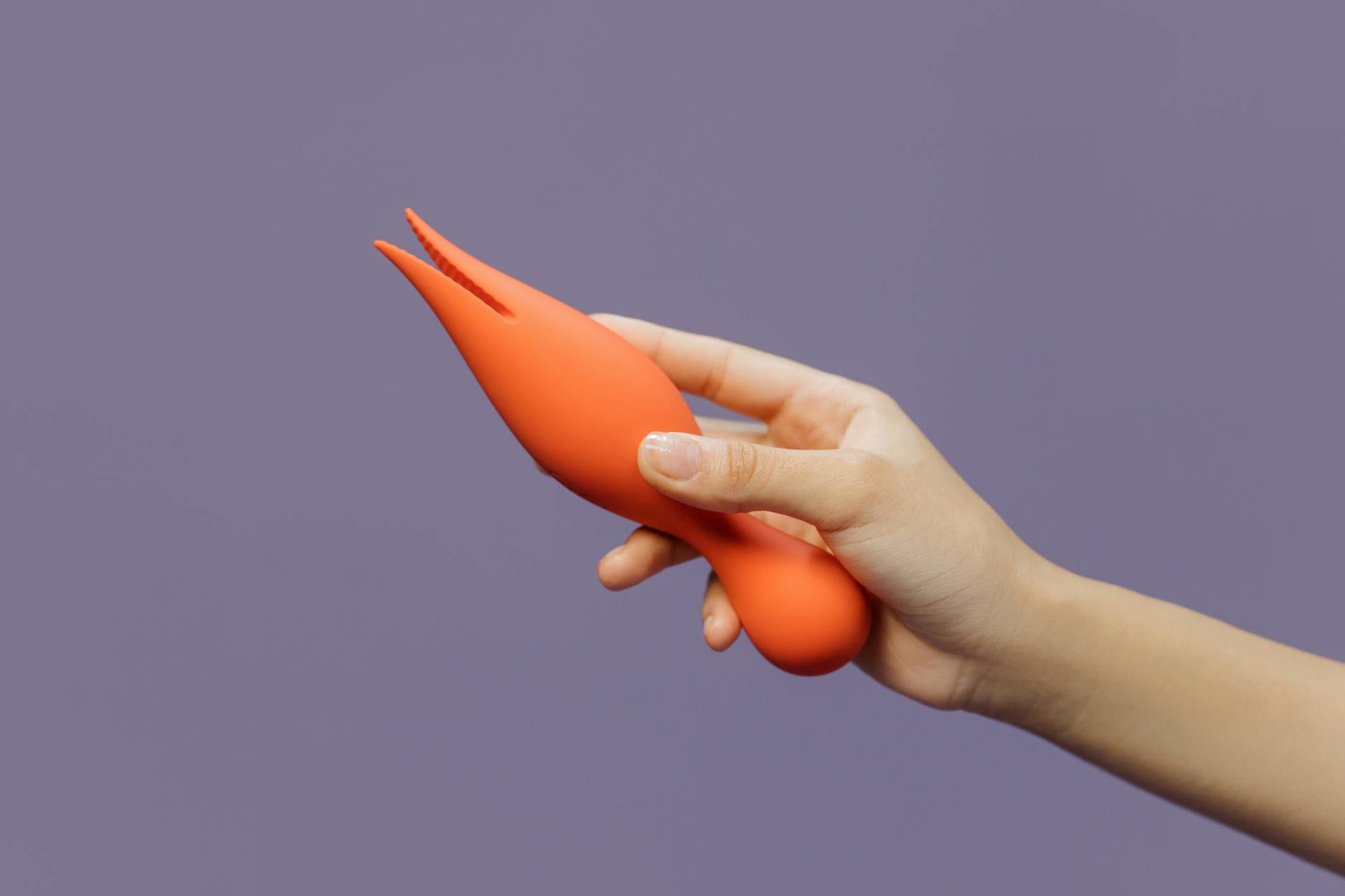
How to Use a Lemon Vibrator Safely With Sensitive Skin and Allergies
Let's be real: if you have sensitive skin or known allergies, the idea of introducing any new device down there can feel like a minefield. Add product reviews packed with "irritation stories" and you might decide pleasure isn't worth the risk. Here's the thing. It absolutely is. And with the right prep, lemon vibrators are actually one of the safest choices available.
Sensitive skin doesn't mean you're broken. It means you need a slightly different playbook. That's exactly what we're covering here.
What makes lemon vibrators safer for sensitive skin
Most high-quality lemon clitoral vibrators are made from medical-grade silicone or ABS plastic. Medical-grade silicone is non-porous, hypoallergenic, and doesn't harbor bacteria the way porous materials do. This is a legitimate advantage over traditional vibrators made from jelly-rubber or TPE, which can trap allergens and break down over time.
The Lem, for example, is made from premium silicone that's been tested for skin compatibility. That doesn't mean you'll have zero reactions. But it does mean the device itself isn't the culprit most of the time.
Here's what usually causes reactions with sensitive skin: not the toy, but what's on or in it. Manufacturing residue, lube incompatibility, or buildup from incomplete cleaning. That's fixable.
The material check before first use
Before you even turn it on, run these checks.
Read the spec sheet. The brand should clearly state the material. If they don't, that's a red flag. Hello Nancy lists materials upfront because transparency matters. Medical-grade silicone is the gold standard. ABS plastic is fine for external use but can be slightly more irritating for some people with severe sensitivities.
Do a patch test. Wash a small patch of the toy with warm water and unscented soap. Let it dry. Press it against a non-sensitive area of skin (inner arm or neck) for 10 minutes. Wait 24 hours. If there's no redness, itching, or swelling, you're probably okay to move forward. If there is, contact the brand before use.
Clean before first use. This is non-negotiable. Manufacturing residue, dust, and storage materials can irritate sensitive tissue. Wash the toy with warm water and a tiny amount of unscented liquid soap. Rinse thoroughly. Dry completely. Done.
Lube: the real player in most reactions
I see this constantly. Someone with sensitive skin buys a lemon vibrator, grabs whatever lube is nearby, and then blames the device. The device wasn't the problem.
Lube incompatibility causes 70% of irritation reactions I see. Here's why: silicone vibrators shouldn't touch silicone-based lubes because silicone dissolves silicone. But silicone lubes are often cheaper and more available. People use them anyway, the toy surface degrades slightly, and irritation results.
If you have sensitive skin, use only water-based lubes. Period. Check the ingredient list. Avoid anything with glycerin if you have a history of yeast infections, since glycerin feeds yeast. Look for fragrance-free, dye-free formulations.
Propylene glycol and carbomers are common thickeners. They're generally safe, but if you've reacted to commercial lubricants before, look for the simplest possible formula. Some people with severe sensitivities do best with plain warm water as a starting point, then add a certified sensitivity-tested lube later.
Building a sustainable cleaning routine
Proper cleaning prevents 90% of sensitivity issues. This isn't about paranoia. It's about creating an environment where irritation doesn't have a foothold.
After every use, wash the toy with warm water and a fragrance-free liquid soap. Pat dry with a clean cloth. Store it in a breathable pouch or clean box, not airtight plastic that traps moisture. Moisture creates conditions for bacteria and mold growth.
Once a week, do a deeper clean. Boil the toy for 5-10 minutes if it's silicone or durable plastic. Let it cool completely before handling. This kills any microbes and resets the surface. Skip this if the toy has electronic components that extend above the waterline.
Don't use vinegar, rubbing alcohol, or harsh soaps. These can irritate sensitive tissue and degrade silicone over time. Warm water and mild soap are enough.
If you have a partner, make sure they understand the cleaning routine too. Shared toys need cleaning before and after use if they're moving between bodies.
How to recognize true irritation from normal sensation
This matters because most new users overthink every feeling.
Normal sensation: mild redness that fades within an hour, slight warmth, increased lubrication, maybe minor tenderness if you've been stimulating the area for a while. All normal. All fine.
True irritation: burning that doesn't fade, itching that intensifies after a few hours, swelling, visible rash or hives, discharge that's different from your baseline, or pain that feels sharp rather than sensitive.
If you see true irritation, stop using the toy immediately. Wash the area with cool water only. Don't use soap or additional lube. Let it breathe. If it doesn't improve in 24 hours or gets worse, see a doctor. Bring the toy with you or at least the spec sheet so they know what material you're dealing with.
When to consider a patch test with your partner
If you're using the lemon vibrator with a partner, their skin matters too. If they have any sensitivities, they should also do a patch test before contact. Cross-contamination is rare but possible. Use a condom over the toy during partnered play if either person has active irritation or infection.
Many partners skip this step and blame the toy when someone reacts. The toy is neutral. The protocol matters.
Adjusting technique for sensitive tissue
When tissue is sensitive, technique becomes more important. Start at the lowest intensity setting. Lemon clitoral vibrators typically have 3-5 settings. Use pattern 1 exclusively for the first few sessions. Build familiarity before exploring higher intensities.
Apply more lube than you think you need. For sensitive skin, thicker water-based lubes are better than thin ones because they create a more stable barrier between the toy and tissue.
Keep sessions shorter at first. Fifteen minutes instead of thirty. Build duration gradually. Overuse causes inflammation even in non-sensitive skin. For sensitive skin, it accelerates irritation.
Take breaks between sessions. If you're exploring how to use a lemon vibrator for multiple orgasms, space them out by at least 24 hours until your body adapts. This gives tissue time to recover and reduces inflammatory response.
What happens if irritation develops during use
Don't panic. This is manageable.
Stop immediately. Wash with cool water only. Apply a gentle, fragrance-free moisturizer if the area feels dry. Rest the area for at least 48 hours. That means no vibrator use, no partner stimulation, nothing. Let inflammation subside completely.
Once inflammation is gone, try again with the same precautions but also change one variable. Different lube. Lower intensity. Shorter session. One change at a time. This helps you pinpoint what caused the reaction.
If irritation keeps returning with the same toy, it might not be compatible with your skin. That's not a failure. It just means lemon vibrators might not be your tool, and there are plenty of alternatives. How to choose a lemon vibrator if you have sensitive tissue covers other options in detail.
Allergies beyond the device itself
Some people react not to the toy but to lube ingredients, condom material, or lubricant preservatives. Methylisothiazolinone, for example, is a common preservative that causes contact dermatitis in some people.
If you're allergic to a specific ingredient, scan every product you use before introduction. Lubes, condoms, even the soap you use to clean the toy. One hidden ingredient can wreck the experience.
Keep a spreadsheet if you need to. Brand, product name, lot number, ingredients. If irritation happens, you'll know exactly what to rule out next time.
The mind-body loop with sensitive skin
Anxiety about irritation can actually trigger real reactions. Tension in the pelvic floor reduces natural lubrication. Reduced lubrication increases friction. Friction causes irritation. Irritation confirms the anxiety, and the cycle locks in.
Break this by being methodical rather than fearful. Follow the steps here. Clean properly. Patch test. Use compatible lube. Take your time. Most people with sensitive skin use lemon vibrators successfully once they have a working protocol.
Your pleasure matters. And it's achievable with sensitive skin. It just requires intention.
People Also Ask
Can you use silicone lube with a silicone lemon vibrator?
No. Silicone lube dissolves silicone, degrading the toy surface over time. This creates micro-tears where bacteria can hide, leading to irritation. Water-based lube only with silicone toys.
How long does it take for the body to adjust to a new vibrator if you have sensitive skin?
Most people notice reduced irritation after 3-4 uses if they're following proper cleaning and lube protocols. Full comfort and confidence typically arrive around 8-10 uses. If irritation is still present after 5 uses with perfect technique, the toy might not be compatible with your skin.
Is boiling a lemon vibrator safe if it has a battery?
No. Boiling can damage the battery compartment and circuit board. If the toy is waterproof but has internal electronics, wash with warm water and soap only. Never submerge or boil. Check the care instructions for your specific toy.
What ingredients in lube cause the most reactions in people with sensitive skin?
Glycerin (feeds yeast), parabens, nonoxynol-9 (a spermicide), fragrance, and methylisothiazolinone. Look for lube with the fewest ingredients. Glycerin-free, paraben-free, and fragrance-free formulations are safest for sensitive tissue.
Can allergies to latex or condoms affect lemon vibrator use?
Only if you use a condom over the toy. If you have a latex allergy and want to use a condom with a lemon vibrator, switch to polyisoprene or polyurethane condoms instead. The toy material itself is silicone or plastic, not latex, so there's no direct allergy concern.
Should you see a doctor before using a lemon vibrator if you have dermatitis or eczema?
It's worth a quick conversation. A dermatologist can identify which ingredients trigger your specific condition and recommend lube and cleaning products accordingly. This single conversation often prevents weeks of trial-and-error irritation.
Your skin is unique. A professional opinion takes the guesswork out and lets you move forward with confidence.
The takeaway
Sensitive skin is not a barrier to pleasure. It's a different set of parameters. Follow them consistently, and most people find that lemon vibrators work beautifully.
Start with the cleanest protocol possible. Build from there. Change one variable at a time if something feels off. And remember: your body's signals are data, not judgment. Listen to them, adjust, and keep going.
If you're ready to explore and need clarity on materials or compatibility, reach out to Hello Nancy directly or contact the team. We're here to help you find what works.
Sources
Material Safety Data: Medical-grade silicone compatibility studies, American Society of Plastic Surgeons.
Lubricant Compatibility: ACSM Clinical Guidelines on Sexual Health and Compatible Lubricant Properties.
Contact Dermatitis and Preservatives: International Journal of Cosmetic Science, methylisothiazolinone allergy prevalence data.