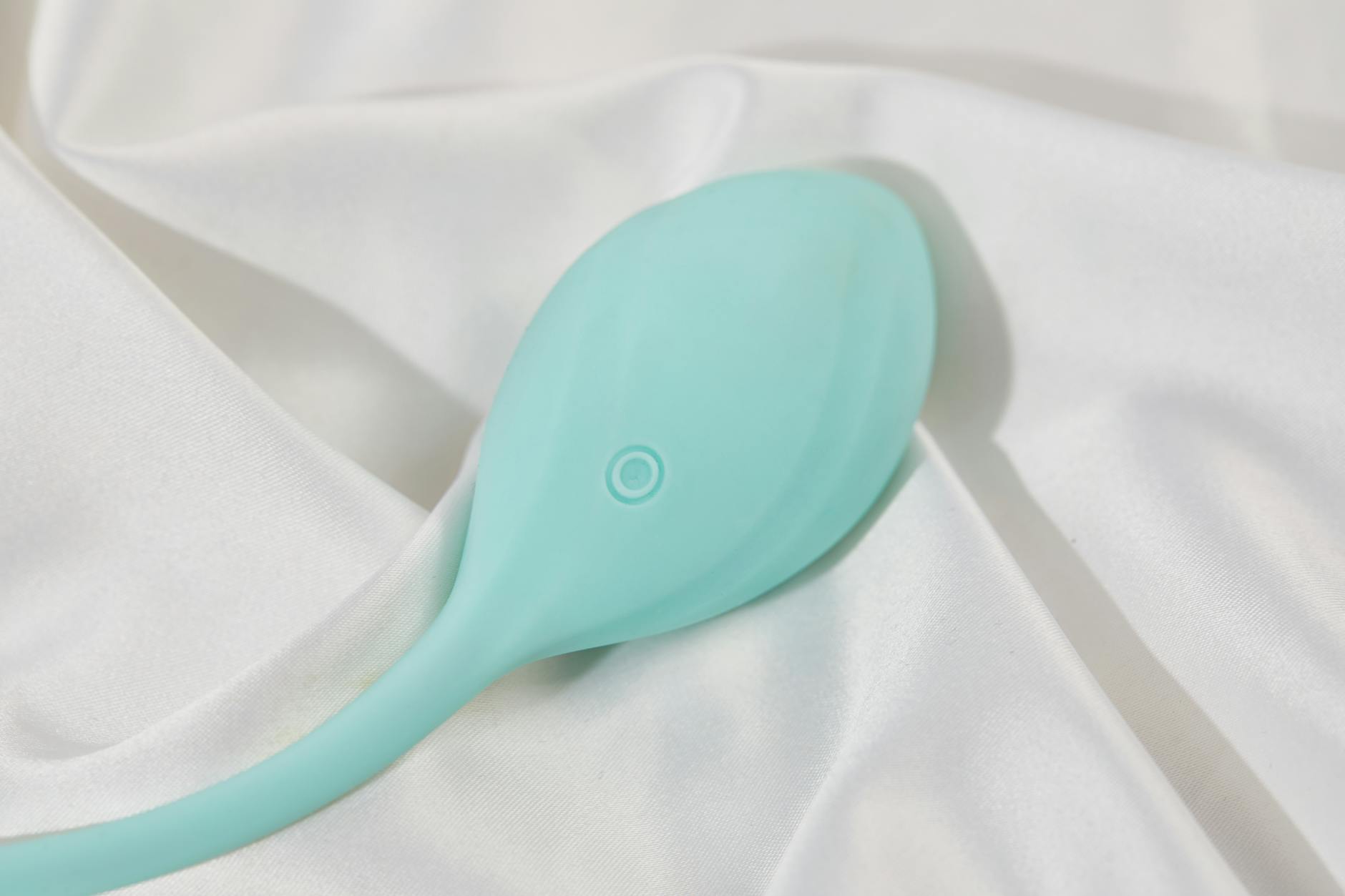
How to Use a Lemon Vibrator During Menopause: Technique Changes That Work
Honestly, the biggest mistake I see is assuming your menopause body needs less pleasure. It doesn't. It needs different pleasure.
Menopause changes the architecture of arousal. Estrogen drops. Tissue thins. Blood flow takes longer to build. The clitoris becomes more sensitive in some ways and less responsive in others. But here's what people rarely talk about: a lemon vibrator's suction-based technology is weirdly perfect for post-menopausal bodies because it doesn't rely on the kind of direct friction that can feel raw on sensitive tissue. You're not grinding away. You're creating a seal and letting the toy do the work.
The catch? You need to adjust how you use it. Same toy, totally different strategy.
Why Your Old Vibrator Technique Won't Work Anymore
Before menopause, many people use vibrators on high settings, move them around constantly, and focus on speed. That works when tissue is thick and blood flow responds quickly. After menopause, that approach often backfires. You might feel overstimulated but not actually aroused. Or you might numb out completely. The pressure feels too much, the intensity too harsh.
This isn't a problem with the toy. It's a mismatch between your body's new reality and an old playbook. A lemon vibrator is designed differently from traditional bullet or wand vibrators specifically because it creates consistent suction rather than rapid vibration. That distinction matters enormously during menopause.
The tissue inside and around your vulva has thinned due to lower estrogen. That means it's more delicate but also often more sensitive to the right kind of stimulation. Direct vibration can feel like buzzing against a nerve. Suction feels like a gentle, steady pull. For most menopause-age bodies, suction wins.
The Warm-Up is Non-Negotiable Now
I cannot stress this enough: arousal takes longer after menopause. Not because you're broken. Because physiology changed.
Before menopause, you might reach full arousal in five to ten minutes. Now budget twenty to thirty. This isn't failure. It's information. Your clitoris still has all its nerve endings. The blood flow just takes longer to arrive. Working against this timeline causes frustration and can trigger pain or numbness.
Start with mental foreplay. Read something that works for you. Fantasize. Let your brain do the heavy lifting first. Then move to external touch. If you have a partner, this is where they become valuable. If you're solo, use your hands. Explore your vulva slowly. Notice what feels different. Find where sensation is strongest.
Only bring the Lem in after your body has already started responding. You'll notice increased lubrication, a slight swelling of the labia, and a sense of anticipation. That's your signal to switch to the toy.
Starting With Lower Settings: The Real Key
Here's the adjustment that changes everything. The Lem has five intensity levels. Most menopause-age users should start on level one or two, not jump to three or four.
Level one feels almost gentle. You might think nothing is happening. Something is. You're creating suction at a pressure that lets you feel the sensation without overwhelming your body. Spend several minutes here. Five, ten, even fifteen minutes at low suction. This builds arousal gradually and naturally, which is exactly what your body needs.
After you've spent real time at lower levels and you can feel your arousal building, then consider moving up. Many people find that level two or three is their sweet spot during menopause. Level five exists, and it's fantastic, but you don't need to get there every time. Some of the best orgasms happen at consistent mid-range intensity rather than peak intensity.
The pattern matters more than the power. A steady rhythm at level two for ten minutes beats chaotic jumping between levels one and four.
Positioning: Comfort First
Menopause can bring pelvic floor tension. That tension makes it harder to relax into pleasure. Positioning matters.
Lying on your back with a pillow under your hips is usually the easiest position because gravity works with you rather than against you. If lying flat feels uncomfortable, prop yourself up at a forty-five degree angle so you can see what's happening and stay mentally present. Mental engagement is huge during menopause because arousal needs all the help it can get.
The Lem's handle is long enough that you're not straining your arm or contorting your body. Keep your knees slightly bent and relaxed. The goal is zero tension anywhere except the pleasure you're building. Tension in your shoulders, jaw, or legs hijacks blood flow away from your genitals.
If you're partnered and they're helping, communication becomes critical. They need to know the intensity is lower, the pacing is slower, and that this is not a performance but a conversation. The Lem gives you both permission to slow down and actually pay attention to what feels good.
Lubrication Strategy During Menopause
You might produce natural lubrication during arousal, but it might be less than you're used to. Add external lubricant anyway. This isn't optional.
Use a water-based lubricant like Hyalo Gyn or a dedicated intimate lubricant. Apply it generously around your vulva and on the Lem itself. The suction works better with lubrication because the seal is smoother. More importantly, lubrication protects tissue that's already more delicate. It prevents micro-tears you might not even notice happening.
Reapply as needed during a session. Lubrication can absorb or evaporate, especially during longer sessions. Running dry mid-play is uncomfortable and defeats the purpose. Keep the bottle close.
What to Expect: Pleasure Might Feel Different
After menopause, some people report that orgasms feel less like full-body fireworks and more like focused waves. Some say they're actually more intense but more localized. Some experience multiple smaller orgasms instead of one big one. All of this is normal.
The neural pathways for pleasure haven't changed. Your clitoris still has all its sensory capacity. What's changed is the physical architecture around it. Thinner tissue, less blood engorgement, tighter pelvic floor. That produces a different physical sensation. It's not worse. It's different. Most people adjust within a few weeks and genuinely prefer it.
Orgasm might take longer to reach. You might need more direct clitoral contact than before. You might find that your most sensitive spot has shifted slightly. Spend time exploring. Ask your body what it wants now, not what it wanted ten years ago. The Lem's consistent suction makes this exploration easier because you can hold it steady and really feel where sensation lives.
Building Pleasure Back After Time Away
If you haven't used a vibrator in months or years, menopause is not the obstacle you think it is. It's actually an opportunity to rebuild pleasure on new terms.
Many people pause sexual activity during menopause because they assume things won't work. Then months pass. Then the assumption solidifies into reality. Restarting is awkward and vulnerable.
Start small. Use the Lem solo first so there's zero performance pressure. You're learning your own body again. Spend time at low intensities. Don't chase orgasm. Chase sensation. After two or three sessions, you'll remember how your body responds. By week two, most people report genuine pleasure returning. By week three, it's often better than it was before.
If you're restarting with a partner, frame it as exploration, not repair. "I want to see what feels good now" is different than "I'm trying to fix what's wrong." One is hopeful. One sounds broken.
When to Reach Out for Help
If you're experiencing pain during or after use, something needs adjustment. Pain is information. It usually means one of four things: you need more lubrication, you need lower intensity, your pelvic floor is too tight, or you have genitourinary syndrome of menopause (a medical condition that responds well to topical estrogen creams).
A menopause-informed gynecologist can assess whether medical intervention helps. If your body is responding well to the Lem but you're grieving the loss of sensation or struggling emotionally with menopause changes, talking to a therapist who specializes in midlife sexuality can be genuinely transformative. Pleasure during menopause is both physical and psychological.
FAQ: Your Questions About Lemon Vibrators During Menopause
Can I use a lemon vibrator if I have vaginal atrophy?
Yes, but with care. Vaginal atrophy (genitourinary syndrome of menopause) makes tissue fragile. Use water-based lubricant generously. Start on level one and stay there for entire sessions initially. If you experience pain, pause and see a doctor. Many people with atrophy find that topical estrogen treatment combined with vibrator use creates the best outcome because the estrogen thickens tissue while the vibrator maintains arousal and blood flow.
How often should I use a lemon vibrator during menopause?
Two to three times weekly is ideal for most people. Regular use maintains arousal capacity and actually helps with blood flow and tissue health. It's not masturbation as a chore. It's self-care with pleasure built in. Solo sessions can be five minutes or thirty. You set the pace.
Will a lemon vibrator help with menopause brain fog or mood?
Indirectly, yes. Orgasms release endorphins and reduce cortisol. Many people report clearer thinking and improved mood after. The ritual itself (carving out time for your body, prioritizing pleasure) sends your nervous system a message that you matter. That has downstream effects on mood and stress.
What if my partner and I want to use the Lem together during menopause?
Communication is everything. Talk about pacing, intensity, and what you're each hoping for. Because arousal takes longer, he or she or they might think nothing is happening when actually everything is building perfectly. Explain that slower is better. Use it as foreplay, not the main event. Many couples find that integrating a lemon vibrator during menopause actually reconnects them because it forces slower, more attentive sex.
Can a lemon vibrator help with low desire during menopause?
Low desire during menopause is often contextual (stress, relationship stuff, body image) not purely hormonal. A lemon vibrator won't fix relationship problems, but it can rebuild your sensory connection to your body. That often naturally rebuilds desire. Starting with solo sessions means zero performance pressure and pure sensory exploration.
Should I use a lemon vibrator before or after hormone replacement therapy?
Both, actually. Before HRT, the Lem helps maintain blood flow and arousal capacity. After HRT, you might notice sensation changing again (in positive ways) as estrogen levels rise. Adjust your approach accordingly. Some people find they prefer higher intensities again after HRT. Some find that lower intensities feel even better because they're now enjoying both hormonal support and refined technique.
You Deserve Pleasure at Every Age
Menopause is not the end of your sexual life. It's a plot twist. Your body changed. Your pleasure didn't disappear. It relocated. A lemon vibrator and the right technique are how you find it again. Start slow. Listen to your body. Be patient. The pleasure you deserve is absolutely on the other side of this transition.