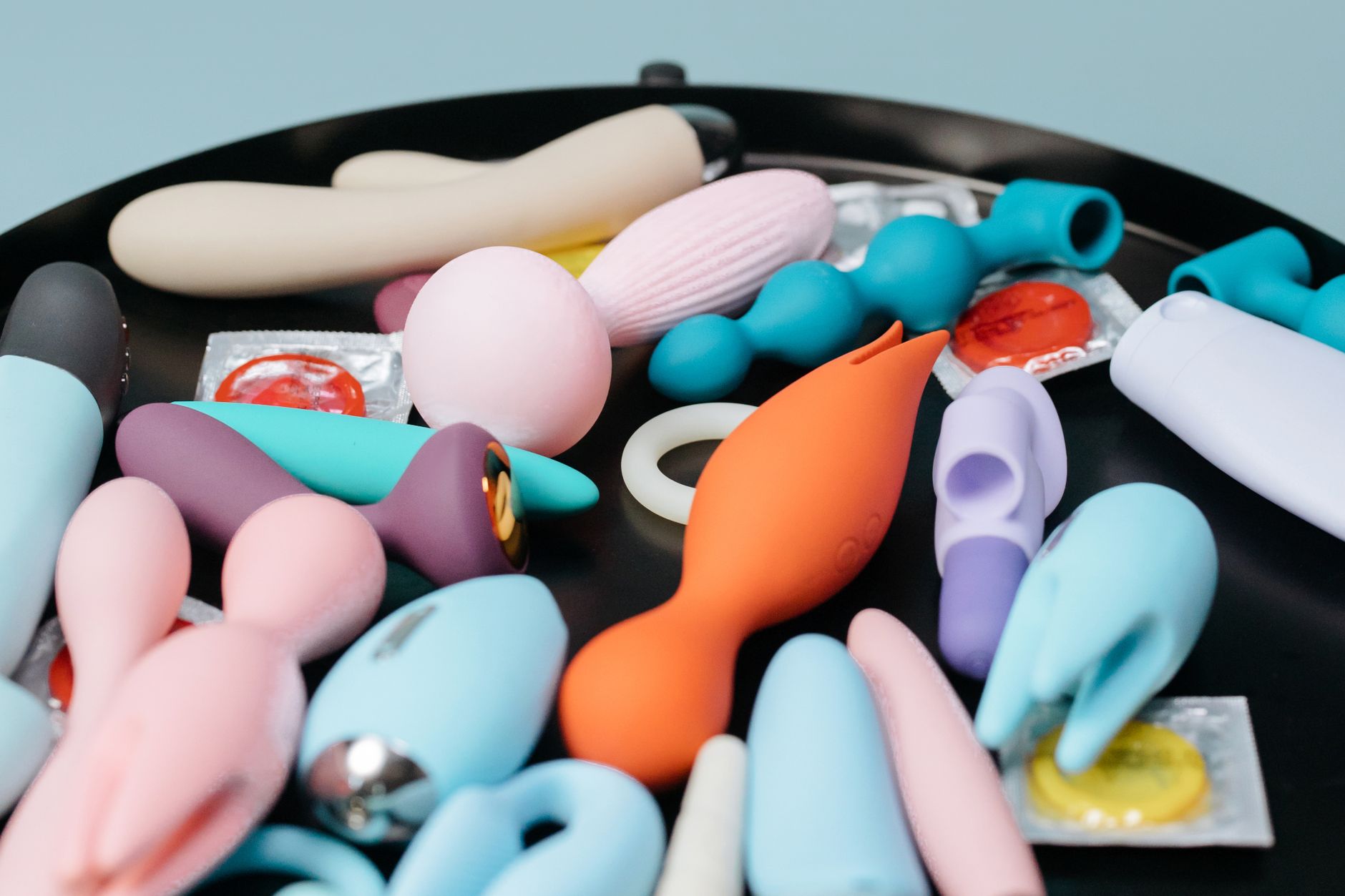
Let's talk about rest days
You wouldn't hit your muscles at the gym every single day for eight hours straight. Your body needs recovery. The same principle applies to using a lemon clitoral vibrator, and honestly, most of us skip this conversation entirely. We get excited about our new toy, find what works, and then wonder why things start feeling numb or tender. The answer isn't that you're broken. It's that your nervous system is asking you to slow down.
I've worked with hundreds of people navigating pleasure and intimacy, and recovery time between sessions is one of the most overlooked factors in sustained, genuinely satisfying use of clitoral vibrators. Getting this wrong doesn't ruin your capacity for pleasure. It just creates temporary friction you don't need.
How your clitoris actually responds to stimulation
Your clitoris contains roughly 8,000 nerve endings packed into a small space. When you use a lemon vibrator—especially an air-suction model like the Lem—you're creating a specific type of stimulation that those nerves register intensely and quickly. That's the whole point. But intensity requires recovery.
Here's what happens at the cellular level. Repeated stimulation causes minor inflammation in the tissue (this is normal and temporary). The nerve endings become temporarily desensitized, which is why you might need more intensity or longer sessions to reach the same plateau. If you push through without resting, you move from desensitization into actual discomfort—numbness, rawness, or a dull ache that can last days.
The good news: this is entirely reversible. It's not damage. It's your body saying "I need a break."
The baseline rule: what research tells us
There's no universal prescription because bodies vary wildly. But here's what the evidence suggests. Most people benefit from a minimum of 24 to 48 hours between intense vibrator sessions. "Intense" means sessions where you're chasing orgasm or pushing sensation to the edge. Lighter, exploratory use carries less recovery demand.
That 24-48 hour window isn't arbitrary. It's the timeframe your nervous system typically needs to reset baseline sensitivity. If you're using a lemon clitoral vibrator daily, you're not giving that system the chance to recalibrate. You'll still experience orgasm, but the quality flattens, the pleasure feels muted, and you might notice physical irritation creeping in.
Think of it like this: if you shower with extremely hot water every day, your skin stops responding to it as "hot." You'd turn the temperature up further. Same mechanism. Except with vibrators, you can't infinitely increase the intensity without consequences.
Signs you need a longer break
Your body sends clear signals. If you're noticing any of these, take a minimum 72-hour pause before using a clitoral vibrator again.
Numbness or reduced sensation during sessions. You're using the toy exactly as you normally would, but nothing's happening. The vibrations feel distant, like they're happening to someone else. This is acute desensitization. It will resolve, but only with rest.
Persistent soreness after a session. A little tenderness immediately after orgasm is normal. It usually fades within an hour. If soreness is lingering past that window or intensifying after 24 hours, your tissue is inflamed. That's the signal to pause.
Rawness or visible irritation. Look at the tissue. If it's redder than usual, feels tender to light touch, or you're experiencing discomfort with normal daily activity (walking, sitting, underwear friction), you've pushed into uncomfortable territory. Pause for 3-5 days.
Orgasms that feel shallow or disconnected. You're still having them, but the intensity and satisfaction have dropped significantly. This usually happens before physical soreness shows up. It's your nervous system saying it's fatigued.
The role of technique and intensity settings
Not all vibrator sessions require the same recovery window. This matters.
Using a lemon vibrator on lower intensity settings (modes 1-3) for exploration or mild stimulation doesn't demand the same recovery as chasing multiple intense orgasms on the highest settings. I tell people to think of it in tiers. Light sessions, 15-20 minutes, on lower modes? You can do those more frequently, maybe every other day. Intense sessions where you're aiming for that peak experience? Budget 48 hours minimum.
The sweet spot for most people is this: aim for 2-4 focused, satisfying sessions per week. That's enough frequency to stay connected with your pleasure, maintain the muscle memory of what works, and avoid the plateau problem. It also gives your nervous system adequate recovery time.
If you're using the Lem or another lemon clitoral vibrator for partnered play, the dynamic shifts slightly. Shorter sessions (10-15 minutes) as foreplay can happen more frequently because they're not pushing you into the deep nervous system fatigue that solo sessions often do. But the rule still applies: if you're reaching orgasm and your partner is doing it multiple times weekly, build in rest days.
Why frequency matters more than duration
I've worked with people who do one 60-minute session weekly versus others who do six 10-minute sessions across those same seven days. Guess who recovers better? The person with the single long session, typically. Why? Because the body's recovery system works on frequency of stimulation, not total minutes.
Think of your clitoral nerves like attention. If someone taps your shoulder constantly throughout the day, eventually you stop noticing. If they tap once an hour, you notice each tap. Spacing matters more than volume.
Here's the practical application: a 30-minute intense session once per week is easier on your system than three 15-minute sessions spread across seven days. The former gives you one focused period of stimulation and six full days of recovery. The latter keeps your nervous system partially activated all week.
Factors that change your recovery needs
Some people genuinely need longer recovery. Others can handle more frequent sessions without discomfort. What determines that?
Hormonal cycle. If you menstruate, your tissue sensitivity shifts across your cycle. In the luteal phase, tissue is often more sensitive and may need longer recovery. Post-ovulation, some people tolerate more frequent sessions. This isn't fixed, so track what you notice.
Baseline sensitivity. Some nervous systems are just wired for higher sensation. If you've always had sensitive skin or reactive nerves, your clitoris likely follows that pattern. You might need longer recovery windows than someone with lower baseline sensitivity.
Age and hormonal status. Younger bodies often recover faster. Menopause, perimenopause, and hormonal shifts can extend recovery time because tissue thickness and lubrication change how stimulation is processed.
Stress and sleep. Your nervous system recovers during sleep. If you're sleeping poorly or running on chronic stress, add 12-24 hours to your typical recovery window. Your body literally can't reset as quickly.
Underlying sensitivities. If you have vulvodynia, genitourinary syndrome from hormonal shifts, or other tissue-related conditions, recovery needs increase significantly. This is where a specialist like a pelvic floor physical therapist becomes valuable.
None of these mean you can't use a lemon vibrator. They just mean personalizing your pacing matters more than following a generic schedule.
When to bring a partner into the conversation
If you're in a partnered relationship, pacing affects more than just your physical recovery. It affects desire, spontaneity, and emotional connection. Communicate clearly.
Say something like: "I love using the vibrator with you, and I also need recovery time between sessions so I stay sensitive and engaged." That's not a boundary that shuts down connection. It's one that protects the pleasure you're both trying to build. When you're not depleted or numb, partnered sessions feel better for everyone.
The practical routine that works
If you're starting with a new lemon clitoral vibrator or rebuilding after some overstimulation, here's a framework that actually works.
Weeks 1-2: two sessions per week, 15-20 minutes each, lower intensity settings (modes 1-3). Focus on learning your body, not chasing orgasm. This builds familiarity without overwhelming your nervous system.
Weeks 3-4: you can increase to three sessions if you want, keeping them 15-20 minutes and rotating between lower and medium intensity. Still not hunting for that peak. Building rhythm.
Week 5+: if you feel good, you can do up to four focused sessions weekly, with at least one being intense and pushing toward orgasm. The others stay moderate. Space them with 24-48 hours between.
If at any point you notice numbness, soreness, or disconnection, pause for 72 hours and restart at week 1 pacing.
The real benefit of respecting recovery
Here's what happens when you nail your pacing: orgasms stay intense, sensation stays sharp, and you actually want to reach for your vibrator. When you're pushing through overstimulation, sex stops feeling like something you want and starts feeling like something you're chasing. That's the opposite of where pleasure lives.
Your clitoris isn't a threshold you're trying to break. It's a system you're learning to listen to. That listening is where all the good stuff happens.
FAQ
How do I know if I'm overstimulated versus just needing one rest day?
One rest day isn't about overstimulation. That's normal spacing. Overstimulation shows up as numbness that persists during a session, soreness lasting past a few hours, or visible irritation. If you had a session yesterday and feel fine today, you're not overstimulated. You just might be giving your body a sensible break. There's a difference between "I'm recovered enough to go again" and "I should because I want to." Those don't always align, and that's okay.
Can I use my lemon vibrator for lighter sessions more frequently without needing longer recovery?
Absolutely. Light sessions on lower intensity settings (1-3) for 10-15 minutes don't demand the same nervous system recovery as intense sessions. You could do these every other day without issue for most people. The recovery rule tightens when you're pushing toward orgasm or using high intensity.
What if I'm in a long-distance relationship and want to use it more frequently for partnered sessions?
Partner-connected sessions feel different neurologically because the emotional component changes how your body processes sensation. Shorter sessions (10-15 minutes) as part of partnered intimacy can happen more frequently than solo intense sessions. If you're doing video sessions multiple times weekly, that's usually fine. Adjust if you notice numbness or soreness creeping in.
Does recovery time change if I use different intensity settings in the same session?
Not significantly. If you start low and build to high intensity over one 30-minute session, your nervous system experiences that as one cumulative stimulation event. Recovery needs are based on total intensity exposure, not how you distributed it. One intense session and one light session require different recovery, but mixing intensities within one session doesn't create a middle ground that changes timing much.
How long until sensation returns after I've been overstimulated?
Most people regain baseline sensitivity within 3-7 days of pausing vibrator use. Numbness usually lifts first (24-48 hours). Rawness takes longer (3-7 days depending on severity). If you're still experiencing reduced sensation after a week, check in with a pelvic floor physical therapist. That might signal something beyond simple overstimulation.
Is it normal to want to use a lemon clitoral vibrator every day?
Wanting to and needing to are different. You can want something daily and still benefit from spacing. Desire is real and valid. Your body's recovery needs are also real. If daily use sounds good, that's a signal you love your vibrator, which is great. It's also a signal to build in intentional rest days anyway, and notice whether that actually improves how sessions feel. Most people find that 3-4 sessions weekly gives them more genuine pleasure than daily use.
Can I use my vibrator every day if I keep sessions short?
Short and frequent can work for some people, but with caveats. Ten-minute sessions daily at low intensity is less demanding than 30-minute intense sessions daily. But "less demanding" isn't the same as "recovery-free." Most people still benefit from at least two full rest days weekly. Your nervous system needs genuine downtime, not just shorter sessions. If you're genuinely feeling good with daily light use and not noticing numbness or soreness, listen to that. Bodies vary. But the signal to pause comes the moment sensation starts flattening.
Ready to explore with intention
Pacing isn't restriction. It's the difference between pleasure that stays alive and pleasure that exhausts you. When you respect recovery time, your lemon vibrator stays a source of genuine connection and sensation. That's worth the patience.
If you're working through sensitivity or recovery concerns and want personalized guidance, reach out. That's what we're here for.