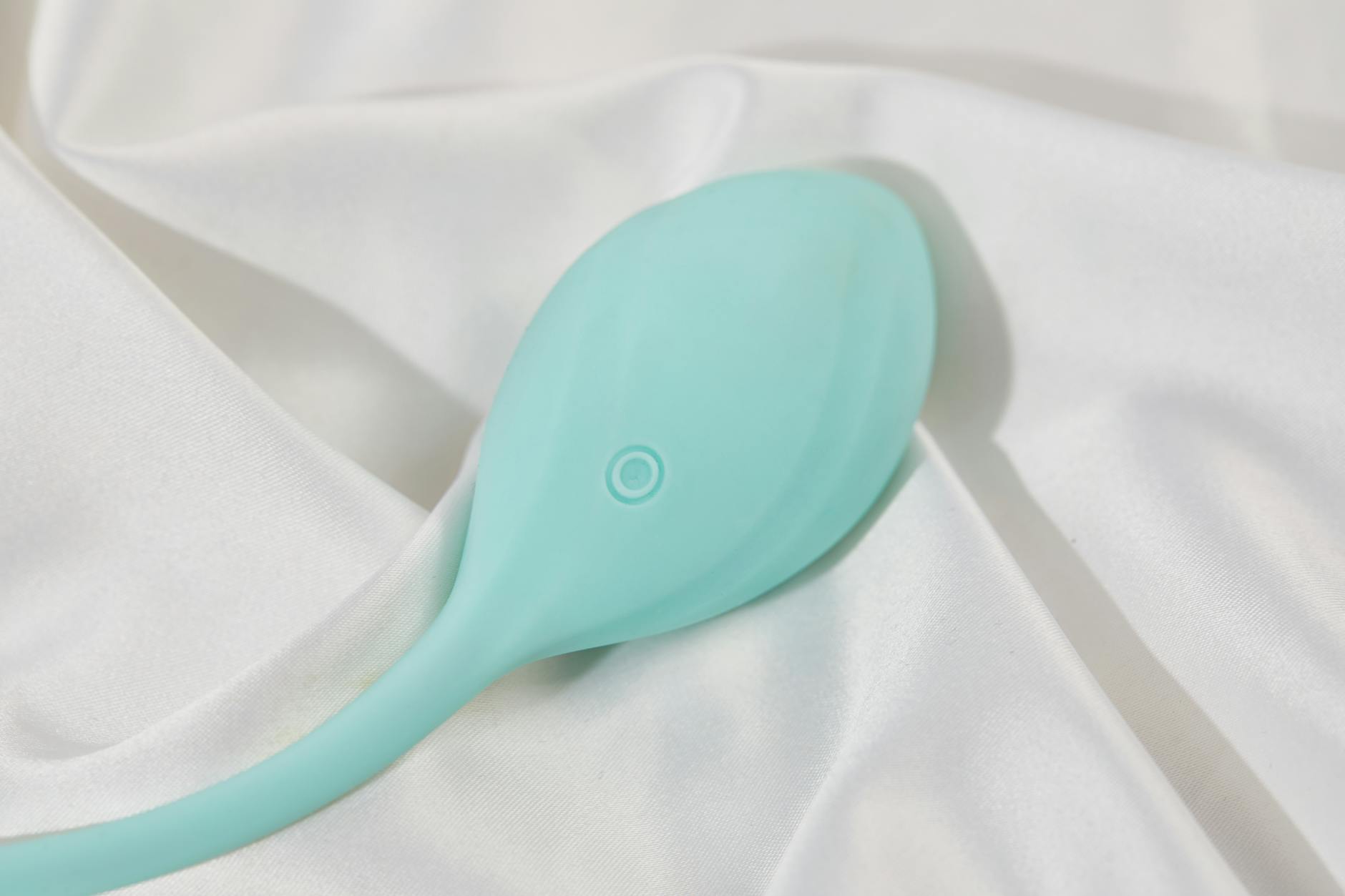
Let's start with why your clitoris feels so intense
Honestly, if your clitoris is sensitive to touch or vibration, that's not a flaw. It's biology. Your clitoris has roughly 8,000 nerve endings in its glans alone. That density means sensation travels fast and feels amplified. Add a vibrator to the mix, and what feels like a gentle buzz to someone else might feel like an electric shock to you. Understanding that difference changes everything.
The problem is that most standard vibrators are designed for a middle-ground user. They hum at one frequency, hit one intensity, and assume that's pleasure for everyone. A lemon clitoral vibrator works differently because it uses suction, not vibration. That's crucial if you're sensitive. Suction distributes stimulation across a wider surface area instead of concentrating it in one pinpoint spot. But even with a gentler approach, you need to know how to ease into it.
Why suction feels different on a sensitive clitoris
The lemon vibrator (also called a lemon sucker) uses air-pulse technology rather than traditional vibration. Instead of a motor making the toy shake, it creates a rhythmic suction sensation. Here's why that matters for sensitivity.
Traditional vibrators concentrate stimulation at the contact point. If you're sensitive, that can feel sharp or even painful. Suction, by contrast, creates a broader field of sensation that feels more like a gentle pulling motion. It's the difference between someone poking you repeatedly and someone drawing their hand across your skin. Both can stimulate you, but one feels gentler.
That said, a lemon clitoral vibrator still has intensity settings, and you absolutely need to start at the lowest one. This isn't because you're fragile. It's because your nervous system is responding exactly as it should to concentrated stimulation.
How to prepare your body for first use
Before you even touch the toy, there are three things that make a massive difference for sensitive tissue.
Arousal first, toys second. Spend time getting genuinely turned on before introducing the lemon vibrator. Fifteen to twenty minutes of whatever that means for you. Reading erotica. Fantasizing. Touching yourself. This isn't wasted time. Arousal increases blood flow to your genitals, which changes tissue sensitivity, engorgement, and how your nervous system processes sensation. A clitoris that's well-aroused can handle sensation a sensitive, unaroused clitoris cannot.
Use lubrication even if you don't think you need it. Lube reduces friction and changes how the suction feels against your skin. A water-based lube is safest with silicone toys. Apply it directly to your clitoris and to the lemon vibrator's opening. This small step can be the difference between feeling pleasure and feeling discomfort.
Have a clear off-ramp. If you're nervous about sensitivity, your body will tense up, and that makes everything feel more intense. Know exactly where the power button is. Know that you can turn it off in one second if you need to. That knowledge alone relaxes your nervous system enough to actually feel pleasure instead of bracing for pain.
Starting with the lowest intensity setting
Here's the part where I'm direct: do not start on intensity level two or three because you think level one will be "boring." Start on level one. Sit with it. Notice what you feel.
The lowest intensity on a lemon clitoral vibrator should feel like a gentle pulse. Not overwhelming. Not even particularly intense. If it does, you may have found your sweet spot immediately. If it feels like nothing, that's normal. Your body is learning what this sensation is. Give it sixty seconds.
Move the toy slightly. Try placing it directly over your clitoris versus slightly to the side. Sensitive clitorises often respond better to indirect stimulation. The nerve-packed glans (the head) might be too much, but the hood or the shaft responds beautifully. Experiment with angle and positioning before you even think about increasing intensity.
Once level one feels comfortable and your body has warmed to the sensation, try level two. You're looking for the moment where it goes from "okay" to "good." Not from "manageable" to "intense." You might find your optimal intensity is level two out of five. That's completely normal and completely enough.
Why your pelvic floor makes sensitivity worse
There's something few people mention when they talk about clitoral sensitivity: if your pelvic floor is tense, everything feels more intense. When you're nervous or aroused, your pelvic floor contracts automatically. For someone with a sensitive clitoris, that tension amplifies sensation to the point of discomfort.
Before using a lemon sucker, try this. Lie down and take five deep breaths, actively relaxing your pelvic floor on the exhale. Imagine your pelvic floor softening and spreading, like a flower opening. This sounds slightly metaphorical, but it works. Tension in that area makes your clitoris feel more exposed and reactive. Relaxation gives you more control over what you're experiencing.
As you use the toy, check in with your pelvic floor every thirty seconds. Are you clenching? If yes, pause, breathe, and relax before continuing. This might actually extend the time to orgasm, but the quality of sensation improves dramatically.
Finding your angle and positioning sweet spot
Direct contact with the glans of your clitoris isn't always the right approach for sensitive users. Some people experience far more pleasure from stimulation of the clitoral shaft, hood, or even the external tissue around the vulva.
Experiment with these positions. Hold the lemon vibrator at different angles. Try it slightly off-center. Some sensitive clitorises prefer the toy positioned so it stimulates the sides of the head rather than the direct point. Others want the suction cup barely covering the glans, so the sensation spreads outward.
There's no "right" angle. Your angle is whatever creates pleasure without pain. Most people with sensitive tissue find one or two positions that work, and they return to those. You're not looking for versatility right now. You're looking for comfort.
If you feel a sharp sensation, move the toy slightly. Don't push through it. That's not expanding your capacity. That's overriding your nervous system's feedback, and it usually leads to soreness or numbness that lasts days.
Building tolerance gradually (if you want to)
Tolerance building is optional. It's only worth doing if you actually want to use higher intensity settings and currently can't without discomfort.
If you do want to gradually expand what feels good, do it intentionally. Use the lemon clitoral vibrator at level one or two, three to four times a week. Your nervous system adapts slowly. After two to three weeks, level two might start to feel effortless. Then you can explore level three.
The key is patience. Skip a session if you feel sore or tender. A sore clitoris doesn't become less sensitive faster. It just hurts. There's no prize for reaching intensity level five if levels one and two are bringing you incredible orgasms.
When sensitivity means stopping altogether
Here's the honest conversation: for some people, clitoral vibrators, even gentle lemon suckers, simply aren't the right tool. Sensitivity can tip into pain, numbness, or overstimulation even at the lowest settings.
If you experience sharp pain, burning, or that numb-tingly sensation that means you've overstimulated your nerves, the lemon vibrator might not be your device. That's not failure. It's information. Your body is telling you something important.
Other options exist. Some sensitive users prefer external wand vibrators that work on a larger surface area. Some find that consistent manual stimulation feels better than any vibrator. Some discover that using the toy for partner play instead of solo feels completely different.
The investment in understanding your own sensitivity is what matters. The lemon vibrator is a tool, not the goal. Your pleasure is.
FAQ
How do I know if my clitoris is sensitive or just unaroused?
An unaroused clitoris feels muted. A sensitive one feels reactive. The difference is arousal changes how stimulation feels, but sensitivity is how your nerves are wired. If you've spent twenty minutes getting genuinely turned on, your breathing has increased, you're having sexual thoughts, your genitals feel warm and engorged, and touch still feels sharper or more intense than you'd like, you likely have sensitive nerve endings. That's not bad. It just means lower intensity and more careful technique.
Can I use a regular vibrator if I have a sensitive clitoris?
Yes, but you'll probably be spending most of your time on the lowest setting, which defeats the purpose of having multiple speeds. A lemon clitoral vibrator is actually better designed for sensitive users because the suction distributes sensation rather than concentrating it. But the most important thing is finding what actually feels good to you, whether that's a lemon sucker, manual stimulation, or no vibrator at all.
Will using a lemon vibrator make my sensitivity worse?
No. Using it at an appropriate intensity actually helps your nervous system learn to process sensation safely. Overusing it or using it at too-high intensity can cause temporary numbness or soreness, but that's different from increasing sensitivity. If you rest between sessions and respect your body's feedback, you're not making things worse.
What if the lowest setting on my lemon vibrator still feels too strong?
Try covering the suction opening partially with your hand or a piece of soft fabric to reduce the intensity. Some people also find that using it through underwear or a thin layer of fabric reduces the sensation enough to make it comfortable. Another option is the briefest pulse, which some lemon vibrators offer as a sub-setting.
How long should I use a lemon vibrator if I'm sensitive?
Start with five to ten minutes per session. Your clitoris doesn't need thirty minutes to feel amazing. In fact, many sensitive users prefer shorter, more focused sessions because there's less chance of overstimulation or soreness afterward. Quality matters far more than duration.
Is pain during or after using a lemon vibrator normal?
No. Mild tingling or sensitivity in the hours after use is normal. Sharp pain, burning, or soreness that lasts more than a few hours means you either used it too intensely or for too long. Back off. Skip your next session. When you return, use a lower intensity or shorter duration. If pain persists even at minimal use, the lemon vibrator might not be right for you, and that's okay.
The real goal here
Sensitivity isn't something to overcome or fix. It's something to understand and work with. Your clitoris responds strongly to stimulation because you have rich nerve innervation. That's the same wiring that makes you capable of intense, full-body orgasms. You're not starting from a deficit. You're starting from a different baseline.
A lemon clitoral vibrator paired with patience, good lubrication, and careful intensity control can absolutely work for you. But the real skill is learning to trust your body's feedback and honor what actually feels good instead of what you think should feel good. That matters far more than any toy.
If you're ready to explore or you've hit a wall with a lemon sucker, we're here to help. Get in touch at /contact and let's find an approach that actually works for your body.