Let's talk about what actually changes
Honestly, the biggest lie about pleasure after 40 is that it's supposed to stay exactly the same. It doesn't. But "different" doesn't mean "worse." In my work with couples navigating midlife transitions, I've watched people discover their most satisfying sexual experiences once they understood what was shifting in their bodies and stopped expecting a 25-year-old response.
Your clitoral sensitivity isn't disappearing. It's evolving. And when you understand how, your lemon vibrator or clitoral suction toy becomes exponentially more effective.
The tissue changes nobody talks about clearly
After 40, especially if you're in perimenopause or menopause, estrogen and testosterone gradually shift. This changes the architecture of vulval tissue. The skin becomes thinner, blood flow patterns adjust, and the clitoris itself can become less engorged at baseline. That's not damage. It's a normal biological transition.
Here's what this actually means: direct friction that felt amazing at 30 might feel too intense or even uncomfortable at 45. Conversely, sustained suction or specific vibration patterns that didn't register before can create intense, localized sensation. The nerve density hasn't changed. The way those nerves respond to stimulus has.
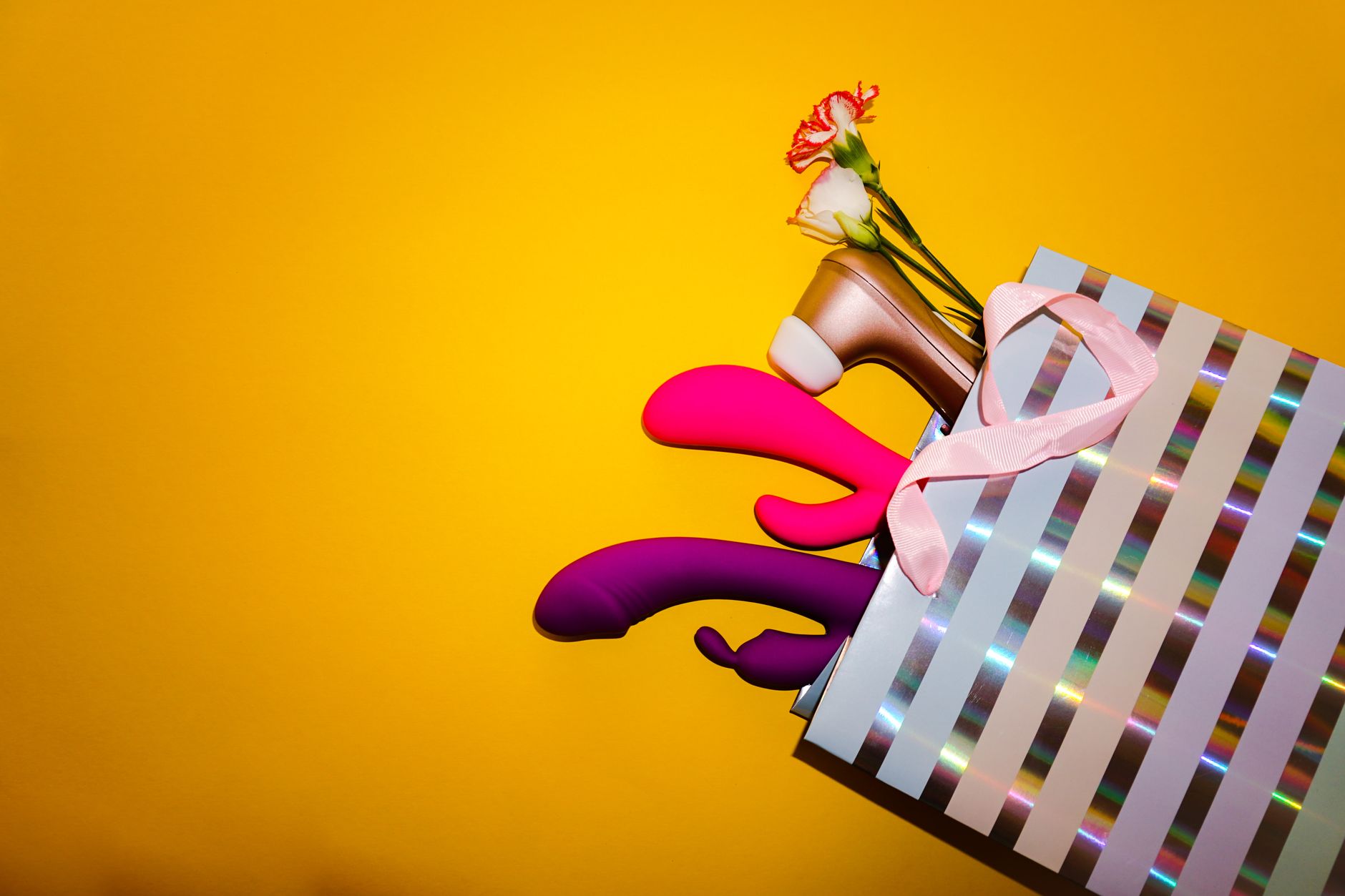
This is exactly why air-suction lemon vibrators and clitoral toys have become so popular with people in their 40s and beyond. They don't rely on aggressive friction. They work with how your tissue actually responds now.
Arousal timing is different, and that's strategic
One of the most consistent reports I hear from people over 40 is: "It takes longer to get going." Yes. And this is actually useful information, not a problem to fix. Your body isn't broken. It's asking for more deliberate foreplay. That's not a limitation. That's a feature.
Blood flow to the clitoris takes longer to build. This means spending 15-20 minutes on warm-up rather than 5. It means using your lemon clitoral vibrator on lower settings initially, then building intensity as arousal deepens. It means pacing that many younger people never learned because they didn't need to.
The payoff? People who respect this timeline consistently report more intense orgasms. There's something about that slower ramp that allows the nervous system to actually register the full arc of sensation.
Nerve sensitivity has reorganized, not disappeared
Your clitoris contains roughly 8,000 nerve endings. That number doesn't change. What changes is how those nerves communicate with your brain and spinal cord. Menopause and hormonal shifts reorganize neural pathways. Stress, relationship dynamics, and body image also shift how you experience touch.
This is partly why some people find that vibration patterns they loved at 30 feel irritating at 45. And why others discover that suction toys like Hello Nancy's lemon vibrator work better than anything they tried before. Your nervous system has changed its preferences.
This also means experimentation matters more now. What works for your friend might not work for you. What you loved five years ago might need tweaking. That's not failure. That's adaptation.
Pelvic floor engagement changes the whole equation
Your pelvic floor muscles support arousal and orgasm. After 40, especially postmenopause, pelvic floor tone naturally decreases. This can make orgasms feel less intense or take longer to reach. But here's the part that gets skipped: you can work with this.
The trick isn't aggressive kegels. It's learning to consciously relax your pelvic floor during stimulation, then engage it during orgasm. Most people do the opposite: they tense up during arousal and can't fully relax into climax. Combining deliberate pelvic floor awareness with a lemon sucker or clitoral vibrator often creates noticeably stronger sensations.
I recommend two things: first, spend five minutes before using any vibrator just breathing and consciously releasing tension from your pelvic floor. Second, during stimulation, focus on that release rather than gripping. The difference is dramatic.
Lubrication patterns shift, and product choice matters
After hormonal changes, natural lubrication often becomes more minimal or inconsistent. This isn't something to be ashamed of. It's a cue to be deliberate about external lubrication when using any clitoral vibrator or adult toy.
But here's what most guides get wrong: not all lubes work with all toys. Water-based lubes are safest across the board. Silicone-based lubes feel richer and last longer, but they can degrade silicone toys. If you're using a lemon clitoral vibrator or any silicone adult toy, stick with water-based.
Also, apply lube generously. Don't assume your body will do the work for you. This isn't laziness or dysfunction. This is practical support for tissue that's responding differently now.
Pleasure patterns you might notice
Some people find that indirect stimulation (vibration felt through the mons pubis or labia rather than direct clitoral contact) becomes more pleasurable. Others discover that slower vibration patterns (2,000-4,000 Hz rather than 8,000+) create deeper sensation. A few find that they need more varied stimulation. Constant vibration at one speed used to work. Now they want patterns that build and release.
This is why devices like Hello Nancy's lemon vibrator, with its range of patterns and intensity levels, often work better than basic single-speed vibrators for people over 40. Variation becomes part of the pleasure.
The key is permission to explore. You don't have to recreate your 30-year-old orgasms. You get to discover your 45-year-old ones.
Mental and emotional shifts matter as much as physical ones
Here's what I notice that nobody mentions: pleasure after 40 is as much about permission as it is about tissue. By midlife, many people have internalized decades of messages about what they're "supposed" to want, how they're "supposed" to look, what they're "supposed" to do during sex.
Menopause, perimenopause, and midlife are actually opportunities to dismantle that. Your body's changes give you an excuse to renegotiate. Maybe you want slower sex. Maybe you want more foreplay. Maybe you want to explore solo pleasure more deliberately. Maybe you want to use clitoral vibrators in ways your younger self never imagined.
The physical changes are real. But the mental and emotional space that opens up alongside them is equally powerful. That's often what people are actually responding to when they say their pleasure feels better than it ever did.
When to get support
If you're experiencing pain during stimulation, see a healthcare provider. Pain isn't normal, and it's highly treatable. Topical treatments, physical therapy, and sometimes hormonal adjustments can resolve it quickly.
If lubrication is severely limited, talk to a doctor about whether hormone therapy or vaginal treatments might help. If desire has completely vanished, that's worth exploring with a professional too. It might be hormonal, but it might be relationship dynamics, stress, medications, or something else entirely.
Hello Nancy exists because pleasure matters. And pleasure after 40 matters just as much as pleasure at any other age. Sometimes it matters more, because you finally have both the permission and the self-knowledge to claim it.
FAQ: Your questions about pleasure and vibrators after 40
Do clitoral vibrators work differently on older bodies?
Yes, in predictable ways. Tissue sensitivity shifts, so vibration patterns that felt perfect at 30 might feel too intense or too gentle now. Arousal takes longer, so you'll benefit from extended warm-up and lower initial intensity settings. Suction-based lemon vibrators and clitoral toys often outperform traditional vibrators because they don't rely on direct friction. The same clitoral nerves are there. They're just responding to stimulus differently now.
Is it normal that orgasms feel less intense after 40?
It depends on what's changing. If you're in perimenopause or menopause, hormonal shifts can make orgasms feel shallower or more diffuse at first. But once you adapt your approach, many people report more intense orgasms than before. Pelvic floor tone naturally decreases after 40, which can change how orgasm feels. Working with that change, rather than against it, often leads to satisfaction you couldn't access before.
Why does my favorite vibrator suddenly feel uncomfortable?
Hormonal changes alter how your clitoral tissue responds to pressure and vibration. A vibrator that delivered perfect sensation for years might now feel too aggressive. Tissue thickness and blood flow patterns shift. Try moving the vibrator slightly off direct contact, using lower intensity settings, or switching to a suction-style lemon vibrator that creates sensation without friction. Your body's preferences are informing you. Listen to them.
How much foreplay should I be doing now?
Longer than before. Budget 15-25 minutes rather than 5-10. Arousal takes longer to build after hormonal changes, and that's not a flaw. That extended timeline allows your nervous system to fully register sensation. It also typically results in stronger orgasms. Some people find that this shift actually improves partnered sex because it forces more intentional, connected foreplay.
Can I still use the same lube I always have?
Maybe. If natural lubrication has decreased, you might need more generous application or a richer formulation. Water-based lubes are safest with all toy materials. Silicone-based lubes feel thicker but can degrade silicone toys like the Lem or other hello nancy clitoral vibrators. If you're switching toys or experiencing dryness, revisit your lube choice. It's not a small detail. It affects everything.
Is there anything wrong with needing lube now when I didn't before?
No. Your body is changing, not failing. After hormonal shifts, natural lubrication often becomes less consistent or generous. Using external lube is practical support, not a sign of dysfunction. Millions of people over 40 use it. It's normal, it's smart, and it works.
Your pleasure matters. After 40, after 50, after 60. The only thing that changes is how you claim it. Understanding what's happening in your body is the first step to making that claim confidently. Then, the real exploration begins.
If you're ready to explore toys designed for how your body actually responds now, we've written a full buying guide to clitoral vibrators that breaks down what works for different bodies and preferences.