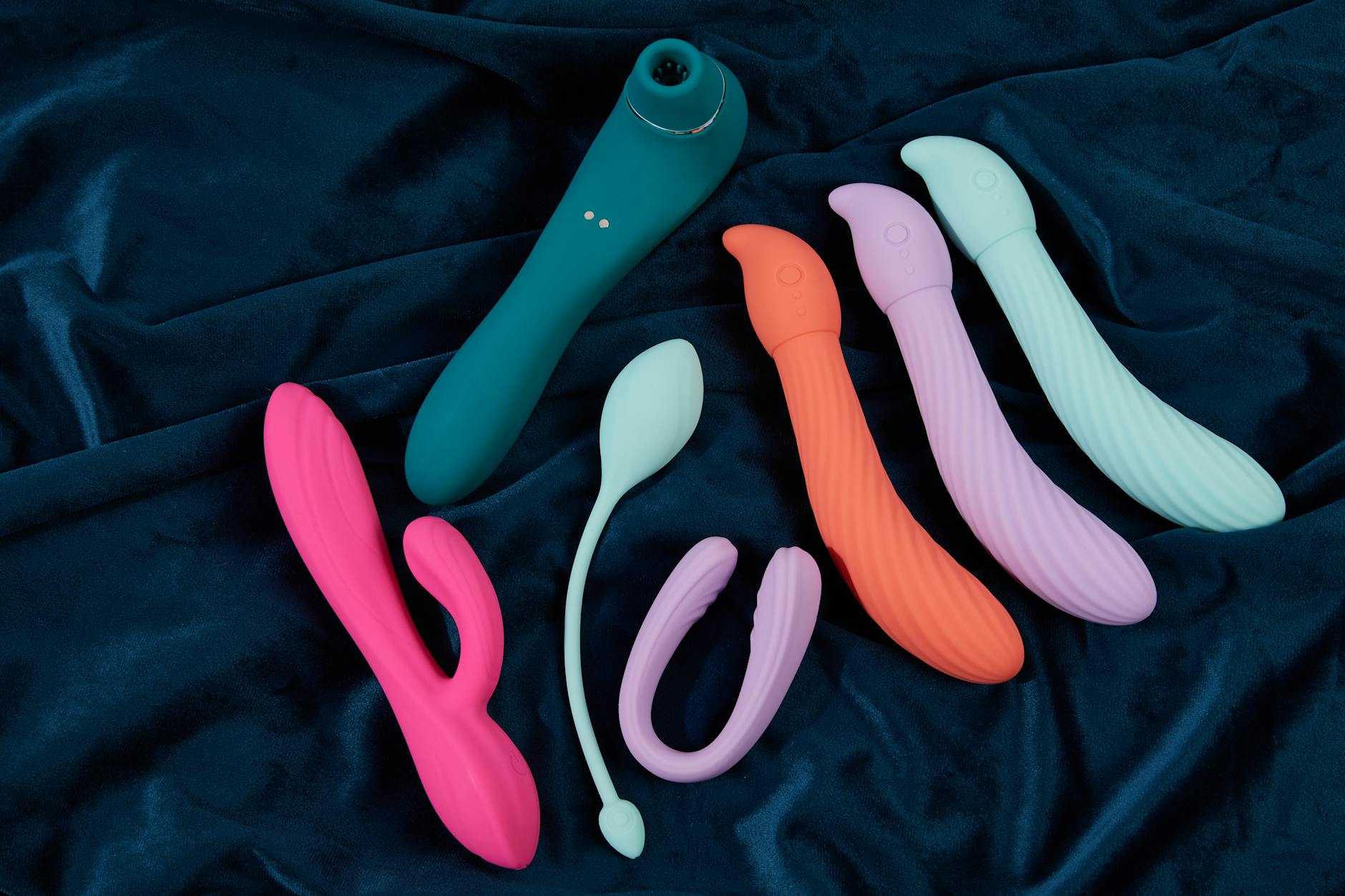
Why Lemon Vibrators Feel Different After 40: Tissue Changes Explained
Something shifts around 40. Not overnight. Gradually, over months or a few years, the way pleasure feels changes. You're not imagining it. You're not broken. Your body is simply operating under different hormonal conditions, and that changes everything from how quickly you warm up to what kind of stimulation actually lands.
Here's what's happening inside, and why understanding it changes how you approach pleasure for the next 30 or 40 years.
The estrogen story
Estrogen is not just about fertility. It's the hormone that keeps vulval tissue plump, elastic, and well-lubricated. It maintains the thickness of the vaginal wall, supports collagen production in the clitoris, and helps blood flow get where it needs to go during arousal.
Around 40, estrogen begins a slow decline. By the mid-50s, many people are in or past menopause. But here's the part nobody talks about clearly: that decline starts earlier, and it's not linear. Perimenopause can begin in the mid-to-late 30s for some people. Your cycle might still be regular, your period might still arrive on schedule, but circulating estrogen is already trending downward.
What that means for sensation: tissue thins slightly. The clitoris loses some of its plumpness. The vaginal wall becomes less elastic. Lubrication that used to flow automatically now requires more time and deliberate arousal to activate.
None of this stops orgasm. But it changes the shape of how arousal builds.
Why traditional vibrators start to feel wrong
Most standard vibrators rely on direct, high-frequency vibration against sensitive tissue. That works beautifully when tissue is thick and robust. When you're 25, with high estrogen, that buzz cuts right through to nerve endings and triggers fast arousal.
After 40, with thinner tissue and less cushioning, that same vibrator can feel intense, almost sharp. Some people describe it as numbing or uncomfortable. Others find they need lower speeds than they used to. Still others find they need longer warm-up time for the same result.
This is not a problem. It's just information.
How lemon vibrators work differently
A lemon clitoral vibrator uses pulsed suction and pressure instead of pure vibration. The lem vibrator, for example, creates a rhythmic air-pulse pattern that stimulates nerve endings without direct friction. That matters more after 40.
With thinner, more delicate tissue, suction-based stimulation is gentler. It still triggers nerve endings, still builds arousal, still creates strong orgasms. But it doesn't require the same tissue thickness to feel good. The sensation is more diffuse, less localized to a single point of impact.
Many people find that hello nancy lemon adult toys feel better after 40 than they did at 30. Not because the toy is better now. Because their body is now the right match for what the toy does.
Sensation actually gets better, not worse
Here's the counterintuitive part: the clitoris has about 8,000 nerve endings. Aging doesn't reduce that count. What changes is the tissue surrounding those nerves. The structure shifts. The blood flow pattern changes. But the raw sensory capacity is still there.
Many people report more intense, more localized orgasms after 40. Some describe them as deeper or more full-body. Others find they need less direct clitoral stimulation because the entire vulva has become more responsive overall.
That's not fiction. That's a documented clinical observation. The nervous system doesn't retire at 40. It recalibrates.
The testosterone factor
People with ovaries produce testosterone in the adrenal glands and the ovaries themselves. Testosterone drives desire. It also contributes to clitoral engorgement and responsiveness.
Testosterone peaks in the mid-20s and then declines slowly and steadily. By 40, circulating testosterone is lower than it was at 25. That matters because it affects how quickly arousal builds and how easily the clitoris engorges.
Some people feel this as reduced desire. Others feel it as a slower buildup that, once it starts, goes deeper. Neither is better or worse. They're just different.
The practical adjustment: add time. Plan for 15 to 25 minutes of warm-up instead of 5 to 10. Use a lemon sucker toy that creates gradual, building stimulation. Most people find that once they stop fighting the new timeline and start working with it, pleasure actually feels more satisfying.
Lubrication changes (and what actually helps)
Water-based lubrication is your baseline after 40. Not because you're broken, but because thinner tissue benefits from it. Silicone-based lube feels richer, but it can degrade silicone toys. Water-based lube is safe, reabsorbs naturally, and works with every material.
Apply it before you start. Reapply as needed. There's no shame in this. Many people find that adding deliberate lubrication actually speeds up natural arousal because there's less friction resistance for the body to overcome.
If you're experiencing significant dryness, talk to a doctor. Genitourinary syndrome (GSM) is real, treatable, and often responds beautifully to topical estrogen cream. You don't have to white-knuckle through years of discomfort.
The pelvic floor complication
Here's something else that changes after 40: pelvic floor tension often increases. This isn't universal, but it's common. Higher estrogen in your 20s and 30s kept muscles more relaxed. Lower estrogen and the postural strain of modern life mean many people develop chronic pelvic floor tightness.
Tight pelvic floor muscles make orgasm harder, not impossible, but harder. They can also make penetration uncomfortable or clitoral stimulation feel duller because the muscles are contracted around the nerves, reducing signal clarity.
If you notice this, the fix is not to push harder. It's to learn to relax. Pelvic floor yoga, breath work during arousal, and actual conscious relaxation practice all help. A lem vibrator on low settings can actually help you notice and release tension because the sensation is strong enough to interrupt the habit pattern without being so intense you tense up further.
You're not declining. You're shifting. The nervous system doesn't stop working at 40. It just operates on a different timeline and in a different way.
When to see someone
If you have pain during or after using a lemon vibrator, don't assume that's normal aging. Pain is information that something needs adjustment. That might be technique, lube, intensity, or pelvic floor tension. Sometimes it's a sign of GSM that responds to topical treatment. Sometimes it's worth a conversation with a pelvic floor physical therapist.
If desire has completely dropped and isn't returning after a few weeks, that's worth exploring with a doctor. Testosterone therapy is available and sometimes life-changing. It's prescribed conservatively in some places and more liberally in others, but it's an option worth knowing about.
The real shift
After 40, pleasure is not less. It's different. You're not broken. Your nervous system is exactly as functional as it was at 25. The hardware works. The software updated. That's all.
If you spend the next decade fighting the changes, pleasure becomes frustrating. If you spend it exploring the new landscape, you often find that the second half is actually richer than the first. More time, more permission, fewer distractions, better tools like lemon clitoral vibrators that are actually designed for the tissue you have now.
That's not spiritual bypassing. That's just practical. Your body didn't betray you at 40. It's asking you to pay attention and adjust. Do that, and pleasure doesn't decline. It deepens.
FAQ
Is it normal for a lemon vibrator to feel different than it did five years ago?
Completely normal. Tissue changes with age. Estrogen decline, even in perimenopause, shifts how vibration feels against your body. If a lem vibrator felt great at 35 and feels intense or numb at 40, that's not a sign to stop using it. It's a sign to adjust the settings, add lube, or extend your warm-up time. Many people find that switching to lower pressure settings on their hello nancy lemon adult toys actually creates better orgasms because it matches their current tissue sensitivity.
Can you get your sensation back after 40?
Sensation doesn't go away. It recalibrates. The clitoris still has 8,000 nerve endings at 50 that it had at 25. What changes is tissue thickness and blood flow pattern, not nerve density. That's why many people report more intense orgasms after 40, not weaker ones. You're working with the body you have now, not the body you had at 25. That's an upgrade, not a downgrade.
Why do lemon vibrators work better for people over 40 than traditional vibrators?
Tradition vibrators rely on high-frequency buzz against tissue. That works best on thick, well-lubricated tissue with high estrogen. Suction-based lemon clitoral vibrators create stimulation through pressure and rhythm instead of pure vibration. That's gentler on thinner tissue and doesn't require the same density to feel amazing. The lem vibrator's air-pulse design is actually better suited to the tissue most people have after 40.
How much longer does it take to get aroused after 40?
It varies, but many people find they need 15 to 25 minutes of warm-up instead of 5 to 10. That's not worse. That's just different. A lot of people, once they stop fighting it and actually budget the time, find that the slower build creates deeper, more satisfying pleasure. Your lemon sucker toy becomes a tool for that gradual buildup rather than a quick spike.
What if lube doesn't help and things still feel uncomfortable?
That might be genitourinary syndrome (GSM), which is very common and very treatable. A doctor can prescribe topical estrogen cream that has minimal systemic absorption and often transforms comfort in weeks. You don't have to suffer through. This is a medical issue with medical solutions.
Can pelvic floor tightness actually stop you from feeling pleasure with a lemon vibrator?
Yes. Chronically tight pelvic floor muscles reduce signal clarity to the nerves in and around the clitoris. The sensation can feel duller or harder to access. The fix is not to push harder. It's to learn to relax those muscles. Start with lower settings on your lemon clitoral vibrator, use breath work during arousal, and consider pelvic floor yoga or physical therapy if it's a pattern. Many people find that deliberate relaxation practice actually makes pleasure more accessible than any toy can.
What comes next
The work over 40 is not to fight the changes. It's to understand them and work with them. Your nervous system is still there. Your capacity for pleasure is still there. You just need to meet your body where it is now, with lemon vibrators that are actually designed for your current tissue, with longer warm-up time, and with the understanding that this phase of your life might actually be more pleasurable than the last one.
If you're navigating this shift and feeling stuck, reach out. That's what we're here for.