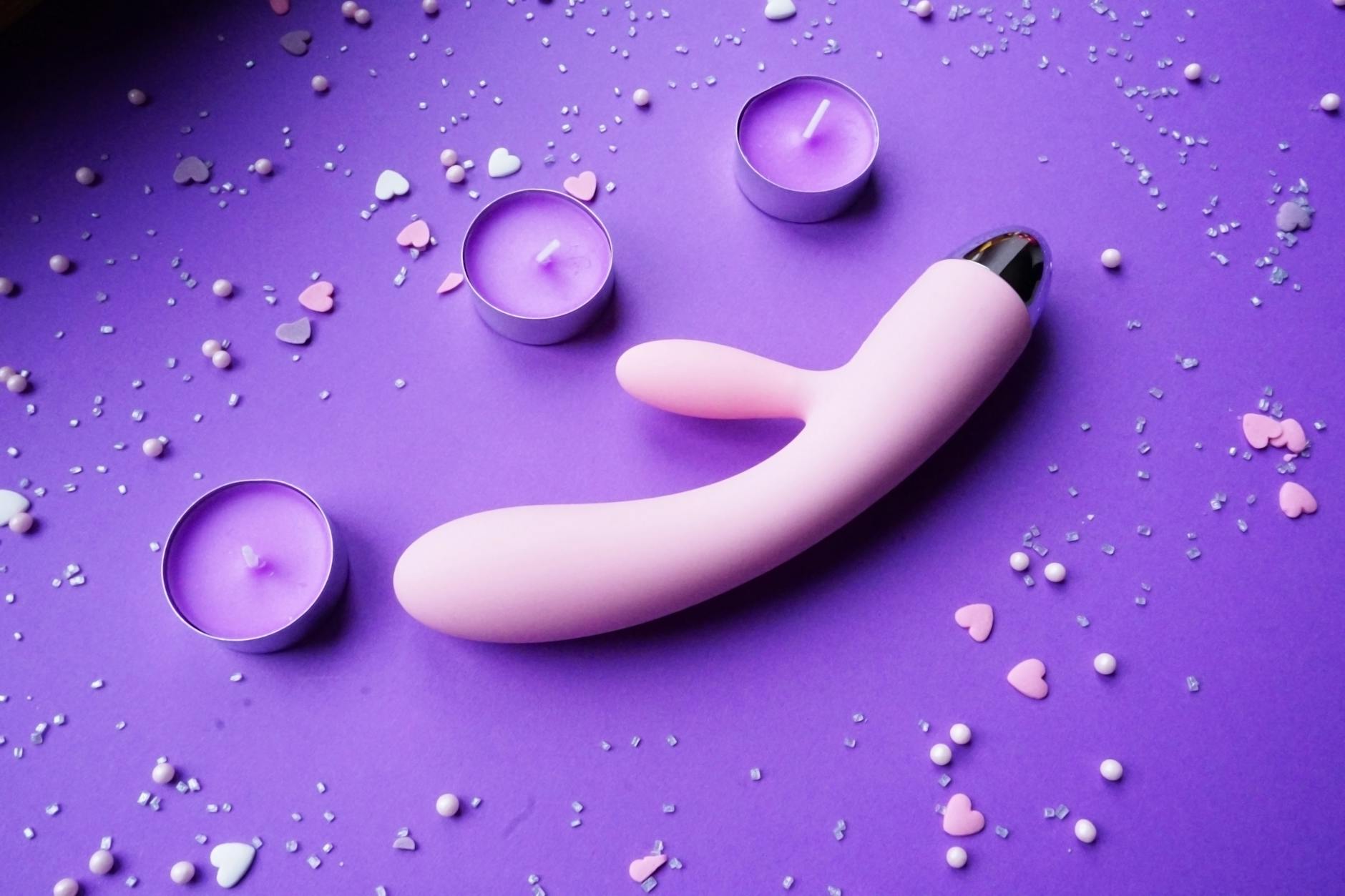
Let's name the feeling first
You're thinking about trying a lemon vibrator. Maybe you've heard good things. Maybe a partner suggested it. Maybe you're just curious. And right now, there's a voice in your head saying something like "But what if I don't like it?" or "What if it feels weird?" or "What if I'm doing it wrong?"
That voice is normal. It's not a sign you shouldn't try one. It's actually pretty common, and it's usually rooted in the gap between what you imagine will happen and what actually happens.
The anxiety you're probably feeling (and what's usually behind it)
First-time lemon vibrator anxiety typically falls into a few buckets, and naming them helps.
Fear of the sensation itself. You're imagining intensity that might not match reality. A lemon clitoral vibrator uses suction and pulse patterns, not brutal vibration. Most people describe it as surprisingly gentle, even at higher settings. It's more like a rhythmic hum than a jackhammer. If you've felt a phone vibrate in your pocket, you have a baseline. A quality lemon vibrator feels softer than that, and it's applied to nerve-dense tissue that's built to receive sensation.
Fear of "doing it wrong." You're wondering if there's some technique you're supposed to know, some angle or timing that unlocks the experience. There really isn't. It's literally designed so you can't use it incorrectly. Placement matters a little (most people find the opening of the device works best when centered over the clitoris), but even that has a wide margin of error. Your body will tell you what feels good in about 30 seconds.
Fear of disappointment. You've built this thing up. What if you try it and feel nothing? This one's real, but it's usually a timing issue, not a broken-body issue. Arousal state matters. Stress matters. Being in a rush matters. None of that means you're incapable of enjoying a lemon vibrator. It just means the first time might not be the magic moment you're imagining, and that's actually fine.
Fear of judgment. If you're using this with a partner, there might be anxiety about what they'll think, or whether it suggests something is "wrong" with your sex life. Spoiler: couples who use toys together often report deeper intimacy, not less. You're not admitting failure. You're experimenting together.
What actually happens the first time (realistically)
Here's the timeline most people experience when they try a lemon clitoral vibrator for the first time.
Minutes 0-2: Mild surprise. The sensation is probably different from what you expected. Not bad, just different. Your brain is still in assessment mode. You might feel a little self-conscious even if you're alone. That passes.
Minutes 2-5: Adjustment. You're finding the sweet spot. You're noticing how different patterns feel. You're realizing you have more control than you thought. Anxiety usually drops here because your nervous system realizes this is actually okay.
Minutes 5-15: Pleasure building. Your body is responding. You're getting feedback that this works. Most people either experience an orgasm, get very close, or feel a deep sense of "oh, I see why people recommend this." Sometimes you need 20 minutes instead of 15. Sometimes your body says "not today" and that's genuinely fine too.
After: Relief. Often surprise at how much better it felt than the anxiety suggested it would be. Lots of people's main regret is not starting sooner.
Three practical things that actually reduce the nervousness
Pick a time when you're not rushed. Anxiety and pleasure are basically incompatible. If you're thinking about needing to shower or pick someone up in 10 minutes, your nervous system won't settle. Block out 30-45 minutes minimum. You probably won't need all of it, but the permission to take your time is huge.
Start solo, even if you eventually want to use it with a partner. Your first experience should be entirely about you learning your own body and what this feels like. No performance pressure. No wondering if you're taking too long or looking silly. Just exploration. Once you know how it works and how your body responds, partnered use becomes a totally different conversation.
Do a basic arousal check before you start. You don't need to be wildly turned on, but you shouldn't be coming to this cold. Spend 10-15 minutes doing whatever usually starts turning you on for you. Read something sexy. Watch something. Think about something. Let your body warm up first. Your pleasure response will be faster and easier, which means less time spent wondering if this is working.
Why lemon vibrators specifically are easier for anxious first-timers
If you're nervous, the design of a lemon sucker actually works in your favor.
Unlike traditional vibrators that rely on direct friction and can feel overwhelming if you're tense, a lemon vibrator's suction-based stimulation is gentler and more diffused. You can't accidentally hurt yourself. The patterns are intuitive. Most devices have 3-5 settings, so you can start at the lowest and experiment without feeling like you're being ambushed by sensation.
The size also matters psychologically. A lemon clitoral vibrator is small, elegant, and feels less intimidating than a wand or a larger toy. That psychological ease translates directly to physical ease. Your nervous system relaxes faster when you're not holding something that looks like it belongs in a hardware store.
The conversation to have before you try it
If you're in a relationship and your partner suggested this, or if you're thinking about inviting them into the experience, have a quick conversation beforehand.
Don't make it a big deal. Something like: "I'm curious about trying a lemon vibrator. I'm a bit nervous about it, so I'm going to explore it on my own first. No pressure, just something I want to understand about myself." That's it. You're not asking permission. You're giving context.
If they want to be involved eventually, that becomes a separate conversation after you've had your own experience. You'll feel way more confident then, and that confidence is contagious. Your partner will feel it too.
What to expect from your nervous system after the first time
Most people report that after the first successful experience, the anxiety drops dramatically. You've moved from imagination to actual data. Your brain knows what to expect. The next time is easier. The time after that, you're probably not thinking about anxiety at all. You're just enjoying yourself.
Some people don't have an orgasm the first time and still feel this shift. It's not about the outcome. It's about learning that your body is capable, that this tool is safe, and that you deserve to explore pleasure on your own terms.
When to reach out for help
If you've given it 3-4 genuine tries and you're still feeling significant anxiety or pain, that's worth talking through with someone. Sometimes anxiety around pleasure is connected to deeper stuff. A therapist who specializes in sexual health can help you figure out whether this is just standard first-time jitters or whether something else is worth exploring.
You're not broken if you feel nervous. You're also not broken if a lemon clitoral vibrator doesn't end up being your thing. Pleasure is individual. Anxiety about trying new things is human. Pushing through gentle nervousness and discovering something good about yourself is where the real growth happens.
FAQ
Can a first-timer use a lemon vibrator without any experience?
Absolutely. Lemon vibrators are designed specifically for ease of use. No special knowledge or experience required. If you can turn something on, you can use one. Your body will do the rest.
What if I don't feel anything the first time?
That's surprisingly common and usually not a sign something is wrong. Arousal state, stress, timing, and medication can all affect sensation. Try again when you're more relaxed or more deliberately aroused. Most people find success on the second or third attempt once they know what to expect.
Is it normal to feel embarrassed even when you're alone?
Completely. You're doing something new and intimate. Some self-consciousness is just part of trying anything vulnerable. It usually fades once your nervous system realizes everything is fine.
Should I tell my partner I'm trying a lemon vibrator?
That depends on your relationship and comfort level. If you share most things, a casual heads-up is fine. If you prefer privacy in this area, that's also fine. You don't need permission to explore your own body. You only need permission from yourself.
What if my partner wants to watch or be involved?
That's a separate conversation for after you've had your own experience. Once you know how it feels and what you like, you're in a much better position to decide whether you want to make it a partnered activity. How to Use a Lemon Vibrator With a Partner has practical advice for when you're ready.
How long should I expect my first session to take?
Anywhere from 10 to 30 minutes. Give yourself 30-45 minutes of uninterrupted time so there's no rush. Most people find their rhythm within 5-10 minutes and then just enjoy what happens next.
What if I'm sensitive and worried about irritation?
Start at the lowest setting and work up. Your body will tell you what's comfortable. If you have sensitive tissue, read about choosing a lemon vibrator for sensitive areas beforehand. And remember: you can always recover from vibrator sensitivity if you overdo it. Most sensitivity is temporary and easily managed.
Here's the truth: you're probably more ready for this than you think. Anxiety before trying something new is just your nervous system being protective. It doesn't mean you shouldn't do it. The people who wish they'd started sooner are usually the ones who were most nervous beforehand. Once you push through that first moment of "okay, this is happening," the rest is just pleasure.