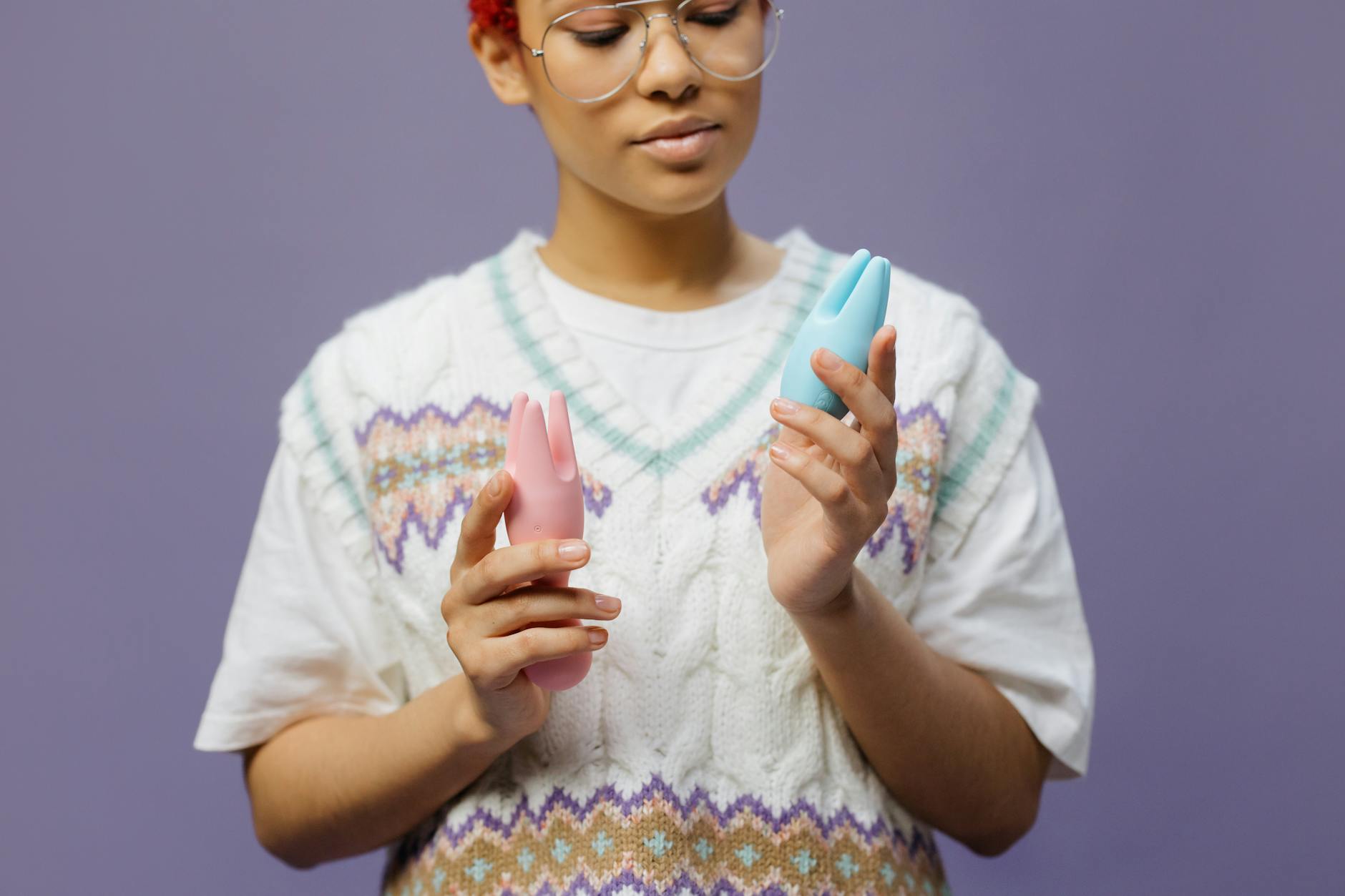
Why Lemon Vibrators Work Better for Low Libido Partners
Let's start with the honest part. Desire mismatch is real. One partner wants sex twice a week. The other wants it twice a month. Both feel abandoned. Neither is wrong.
Here's what most couples do: talk about it, feel guilty, then let resentment settle in. But there's a third option that nobody mentions until it's too late. Lemon clitoral vibrators and lemon sexual toys aren't just for solo pleasure. They're negotiation tools that actually work.
The math of mismatched desire
About 30 percent of long-term couples experience persistent desire discrepancies. One partner has lower libido. Often, this person isn't broken. They're stressed, they're touched out, they have medication side effects, or they're just wired differently. The higher-desire partner feels rejected. The lower-desire partner feels pressured. Sex becomes a source of tension instead of connection.
Most couples pivot to one of two dead ends. Either the higher-desire partner accepts a sexual drought and builds quiet resentment. Or they push harder, which triggers the lower-desire partner to pull back even more. Neither approach solves the actual problem.
What actually works is separating intimacy from frequency. A lemon vibrator does this in a way that conversation cannot.
Why lemon vibrators change the dynamic
A lemon clitoral vibrator is not a replacement for your partner. It's a tool that removes performance pressure from both sides. Here's how.
When the higher-desire partner suggests a lem vibrator, it signals something important: "This isn't about you failing me. This is about us finding a middle path that works." The lower-desire partner often feels relief. They're not being asked to want sex more often. They're being invited into something collaborative.
Then there's the physical part. Lemon sexual toys, especially suction-based clitoral vibrators, create sensation that the body recognizes as distinct from partnered sex. This matters because it reframes the conversation. You're not negotiating over sex frequency anymore. You're exploring pleasure together in a format that doesn't demand the same energy investment.
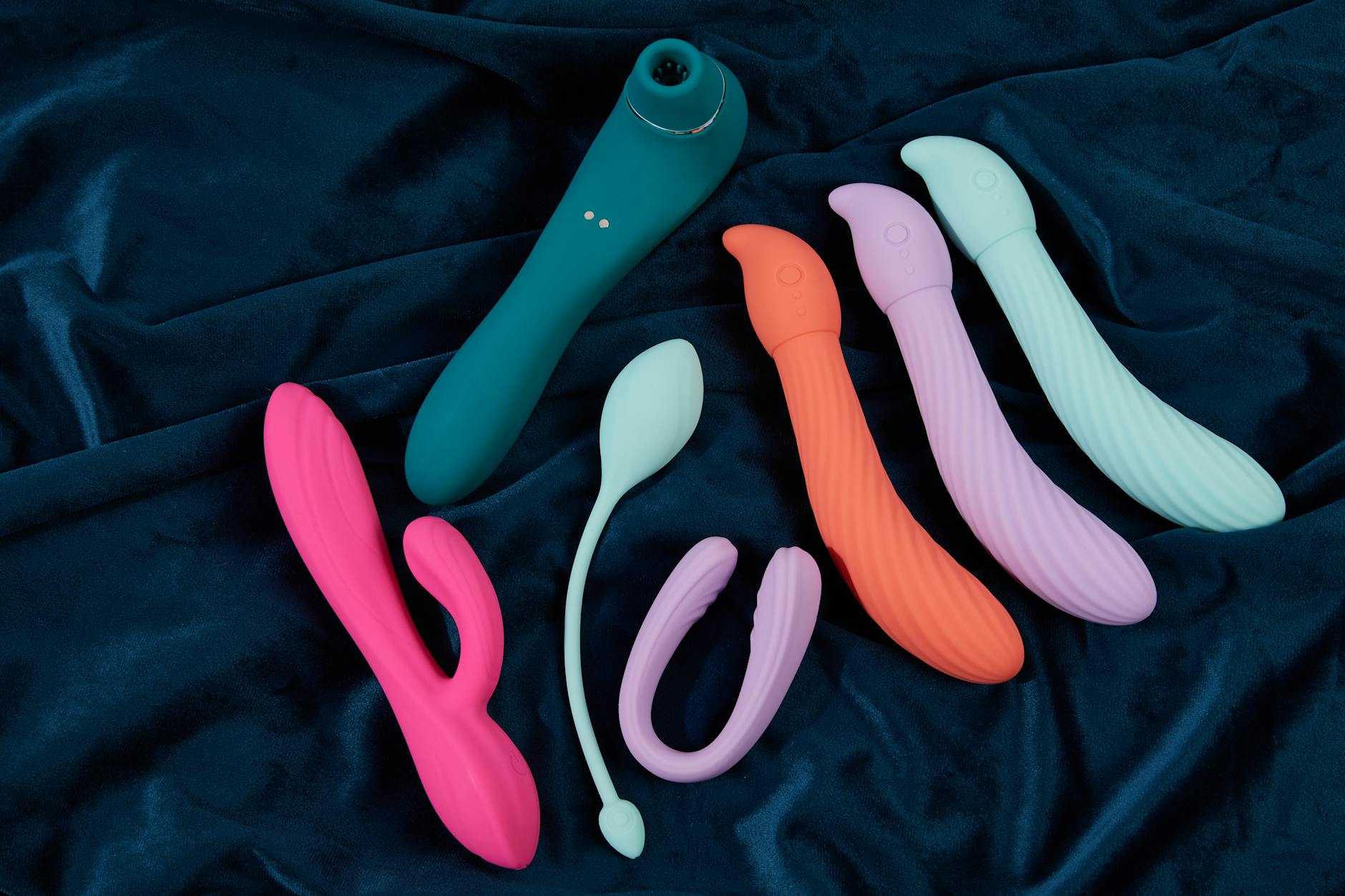
Photo by IFONNX Toys on Pexels
The neurology of solo pleasure with a partner
Here's something unexpected. When a lower-desire partner uses a lemon vibrator while their higher-desire partner is present, it often rekindles something. Not obligation. Curiosity.
The lower-desire partner gets to experience pleasure without the cognitive load of meeting their partner's needs. The higher-desire partner gets to witness their partner's pleasure, which is biochemically different from performance-based sex. Both people's nervous systems can actually relax. That relaxation is contagious. It shifts the entire tone of the encounter.
Many of the couples I work with tell me that this was the first time in years they felt playful together. Not because the sex got more frequent. Because the pressure lifted.
Setting expectations before you introduce a lemon toy
Don't just leave a lemon clitoral vibrator on the nightstand with a hope and a prayer. That's how you end up with hurt feelings and a vibrator that never gets used.
Have the conversation first. Say something like: "I've been thinking about how to make intimacy feel less pressured for both of us. I found something I'd like to try together, and I want to know if you're open to it." Then listen. If your partner is resistant, that's real information. Don't push.
If they're willing, start small. Maybe they use it solo first while you're in the room. Maybe you both explore it together. There's no script. The point is that you're deciding together, not deciding for them.
When you adjust lemon vibrator technique for different partner comfort levels, you're doing something more important than optimizing sensation. You're proving to your partner that their comfort matters more than your orgasm. That shift alone changes the relationship.
Pleasure as a path to desire
Here's the thing that surprises people. Lower desire often isn't the problem. Disconnection is.
When a couple introduces a lemon sucker or lemon clitoral vibrator into their intimate life, something shifts. The lower-desire partner isn't being asked to want sex. They're being invited to experience pleasure. Those are different neurological events.
Many of my clients find that once they've used a lem vibrator together a few times, their desire actually increases. Not because they're trying harder to want it. But because pleasure and connection, when they're not tangled up with performance anxiety, are inherently motivating.
You can't force desire. But you can create the conditions where it might emerge. A lemon adult toy does that.
When low libido signals something deeper
Not all desire mismatch is just about frequency tolerance. Sometimes it's a sign that something else is broken. Depression, unprocessed trauma, or a partnership that's lost trust.
If your lower-desire partner also avoids touch, doesn't make eye contact during sex, or has experienced a sudden drop in desire, a lemon vibrator won't fix it. That's a signal to see a therapist together. Toys can enhance pleasure. They can't heal emotional rupture.
But if your desire mismatch is just that: one of you naturally has lower libido and the other has higher. A lemon vibrator can absolutely be part of the solution.
Creating a sustainable middle ground
Most couples who solve desire mismatch don't do it by making the lower-desire partner match the higher-desire partner's frequency. They do it by redefining what intimacy looks like.
Maybe you have partnered sex twice a month, and on the weeks in between, you have solo or collaborative lemon toy sessions. Maybe you add how to use a lemon vibrator with a partner into your routine, which feels less demanding than traditional sex. Maybe you find that sometimes the higher-desire partner gets pleasure from facilitating their partner's pleasure, rather than seeking their own.
The specific formula varies. The point is that you're building something sustainable instead of fighting over the same binary choice.
The emotional payoff
Desire mismatch creates a lot of secondary problems. Resentment. Shame. Questions about whether you're actually compatible. Over time, couples stop touching at all because it feels safer than risking rejection or guilt.
When you introduce lemon sexual toys thoughtfully, you're saying something without words. "Your pleasure matters. My pleasure matters. We matter." That message is more healing than most conversations could be.
Many couples I've worked with tell me that bringing a lemon vibrator into their intimate life felt awkward at first. Vulnerable. But afterward, they felt closer. Not because of the toy. Because of what the decision to try it together represented.
FAQ: Lemon Vibrators and Low Libido
Will a lemon vibrator make my low-libido partner want sex more often?
Maybe. But that's the wrong question. A lemon clitoral vibrator removes performance pressure and often increases pleasure and connection. When those improve, desire sometimes follows. But the goal isn't to force frequency. It's to build a sustainable intimate life you both actually want.
What if my partner is offended by the suggestion of a lemon toy?
That's real information. Ask why. Is it shame about toys? Worry that you're unhappy? A sign of deeper disconnection? Listen without defending your idea. Sometimes the conversation is more important than the toy.
Can using a lemon sucker together replace sex?
Not if you don't want it to. A lem vibrator can be part of your intimate toolkit alongside partnered sex. It's an addition, not a replacement. Though some couples do find that a mix of toy-based and partnered intimacy works better than either alone.
How often should we use lemon adult toys if one of us has low libido?
There's no prescription. Some couples use them weekly. Others once a month. The frequency should feel sustainable for the lower-desire partner. If they're feeling pressured to perform with a toy, you've missed the point.
Does using a lemon vibrator mean my partner doesn't love me?
No. It means your partner wants to stay connected to you without forcing something that doesn't feel natural. That's actually a sign of love. Most couples end up more distant when they ignore desire mismatch. Addressing it, thoughtfully, brings you closer.
What if I'm the low-libido partner and I feel guilty?
Stop. Your libido isn't a failure. It's your body's honest signal about what you want and what you need. A partner who introduces lemon sexual toys without pressure is saying, "You're okay as you are." Believe them. Then explore at your own pace.
Desire mismatch is one of the most common relationship challenges, and it's also one of the most solvable. Not by forcing change. By making space for both partners to feel seen and pleasure to happen on terms that work for everyone. A lemon vibrator, introduced with care, can be exactly that space.